Botanical Overview
Paperbark Tea_tree (Melaleuca linariifolia) belongs to the Myrtaceae family. Limited but reliable traditional records indicate this plant has recognized medicinal applications in one or more healing traditions. The myrtle family (Myrtaceae) includes trees and shrubs with opposite leaves that contain aromatic oil glands. The flowers are showy with numerous stamens, and the fruits are often fleshy berries or capsules. Many species produce essential oils with antiseptic and antimicrobial properties.
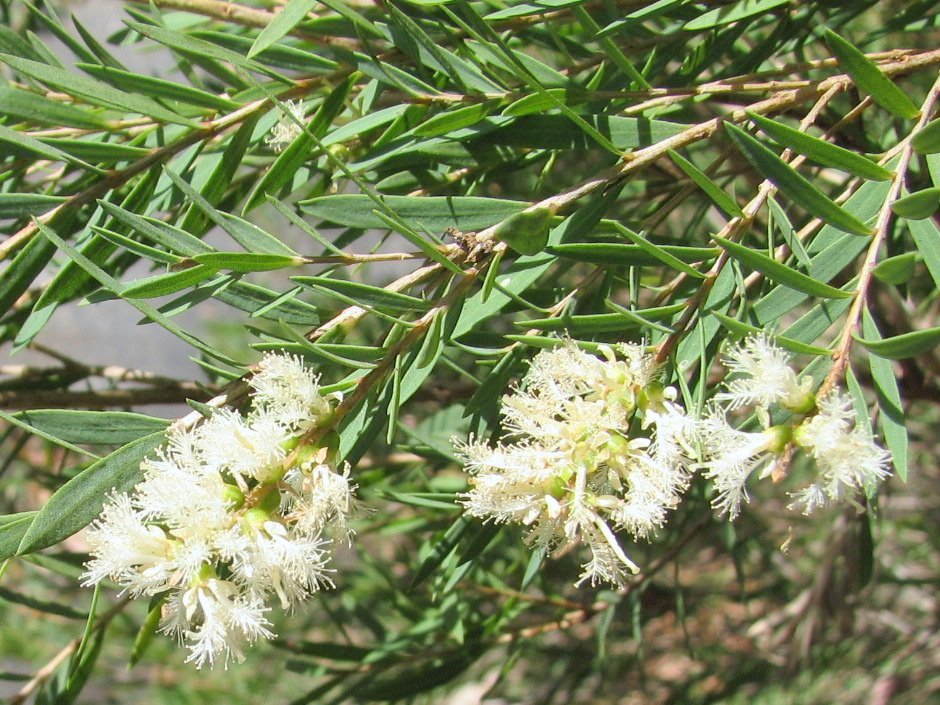
General Description
It is commonly known as snow-in-summer, narrow-leaved paperbark, flax-leaved paperbark and in the language of the Gadigal people as budjur. A hardy plant, it flowers prolifically in late spring or summer, making it a popular garden shrub or small tree in temperate places. Melaleuca trichostachya is a similar species but its leaves are arranged differently and the fruits have projecting valves.
Family Context
The Myrtaceae family is primarily tropical and subtropical. Notable medicinal members include:
- Guava — 57 documented uses
- Melaleuca leucadendron — 49 documented uses
- Clove — 45 documented uses
- Blue Gum — 44 documented uses
Geographic Distribution
Paperbark Tea_tree has been recorded in 10 countries and territories worldwide, including Australia, Brazil, Spain, Guadeloupe, New Zealand, and others.
Traditional Uses
Paperbark Tea_tree has been traditionally used for immune system support.
Immune system support.
- Antiseptic
Immune support involves taking the herb as a decoction or tincture over extended periods. The active compounds stimulate immune cell activity and provide antimicrobial protection.
Active Compounds
Phytochemical research has identified 19 compounds in this species, including a diverse array of phytochemical classes (see the Complete Chemical Inventory below for the full list).
The identified compounds include the following categories:
- Phenolic: antioxidant compounds that neutralize free radicals
- Terpene: aromatic compounds with anti-inflammatory and antimicrobial properties
- Alkaloid: nitrogenous compounds with diverse pharmacological activities