Botanical Overview
Bracteate Tea-Tree (Melaleuca bracteata) belongs to the Myrtaceae family. While not among the most extensively documented medicinal plants, this species has recorded uses that warrant attention from researchers and practitioners. The myrtle family (Myrtaceae) includes trees and shrubs with opposite leaves that contain aromatic oil glands. The flowers are showy with numerous stamens, and the fruits are often fleshy berries or capsules. Many species produce essential oils with antiseptic and antimicrobial properties.
General Description
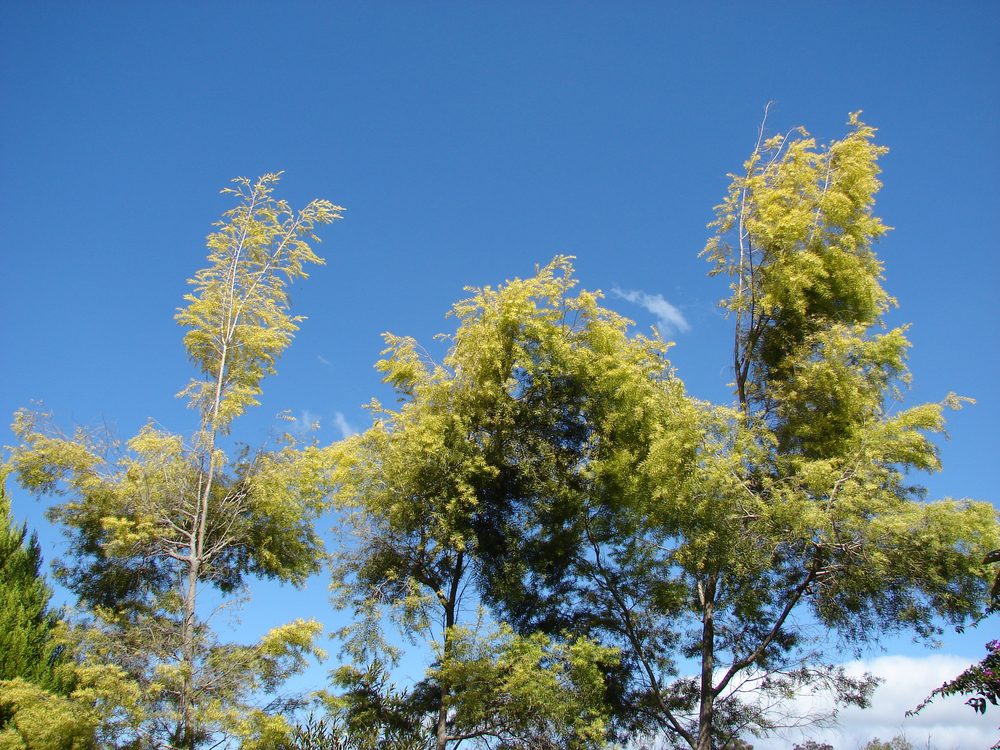
It usually occurs as a large shrub but under ideal conditions can grow into a tree up to 10 m (30 ft) tall. It is an adaptable species in cultivation and a number of cultivars have been developed.
Family Context
The Myrtaceae family is primarily tropical and subtropical. Notable medicinal members include:
- Guava — 57 documented uses
- Melaleuca leucadendron — 49 documented uses
- Clove — 45 documented uses
- Blue Gum — 44 documented uses
Geographic Distribution
Bracteate Tea-Tree has been recorded in 10 countries and territories worldwide, including Australia, China, India, Kenya, Macao, and others.
Active Compounds
Phytochemical research has identified 8 compounds in this species, including a diverse array of phytochemical classes (see the Complete Chemical Inventory below for the full list).