Botanical Overview
Aguaje (Mauritia flexuosa) belongs to the Arecaceae family. Limited but reliable traditional records indicate this plant has recognized medicinal applications in one or more healing traditions. The palm family (Arecaceae) includes trees, shrubs, and climbers with unbranched stems topped by a crown of large, compound, evergreen leaves. The flowers are small and clustered on branched inflorescences, and the fruits are typically drupes. Palms provide oils, waxes, and other useful products.
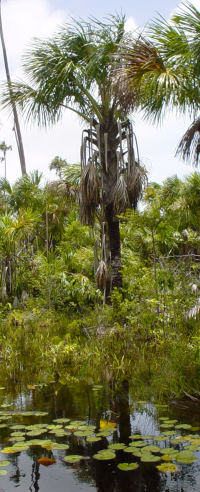
Family Context
The Arecaceae family is primarily tropical and subtropical. Notable medicinal members include:
- Coconut — 93 documented uses
- Betel Nut — 52 documented uses
- Date Palm — 42 documented uses
- Dragon’s Blood — 13 documented uses
Geographic Distribution
Aguaje has been recorded in 10 countries and territories worldwide, including Bolivia, Brazil, Colombia, Ecuador, French Guiana, and others.
Traditional Uses
Aguaje has been traditionally used for digestive health.
Digestive health.
- Laxative
For digestive complaints, the herb is typically prepared as a tea or decoction taken before meals. The bitter compounds stimulate digestive secretions and improve nutrient absorption. Some traditions use the powdered root or leaves in small doses as a stomachic tonic.
Active Compounds
Phytochemical research has identified 13 compounds in this species, including a diverse array of phytochemical classes (see the Complete Chemical Inventory below for the full list).
The identified compounds include the following categories:
- Alkaloid: nitrogenous compounds with diverse pharmacological activities