Botanical Overview
Arrowroot (Maranta arundinacea) is a flowering plant in the Marantaceae family. This plant has earned a place in traditional medicine through its consistent therapeutic benefits, recorded across multiple cultures. This species belongs to the Marantaceae family, a group of flowering plants.
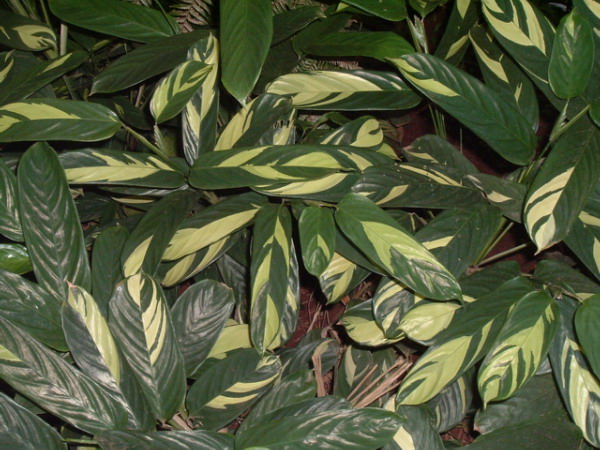
General Description
Maranta arundinacea, also known as arrowroot, maranta, West Indian arrowroot, obedience plant or Bermuda arrowroot is a large, perennial herb found in rainforest habitats of the Americas, but cultivated in tropical regions worldwide.
Family Context
The Marantaceae family is widely distributed. Notable medicinal members include:
- Leren — 1 documented uses
Geographic Distribution
Arrowroot has been recorded in 10 countries and territories worldwide, including Brazil, Colombia, Costa Rica, Ecuador, Guyana, and others.
Traditional Uses
Arrowroot has been traditionally used for digestive health, skin and wound care, and metabolic and nutritional health.
Digestive health.
- Dysentery
For digestive complaints, the herb is typically prepared as a tea or decoction taken before meals. The bitter compounds stimulate digestive secretions and improve nutrient absorption. Some traditions use the powdered root or leaves in small doses as a stomachic tonic.
Skin and wound care.
- Sore
- Wound
For skin conditions, the fresh or dried plant is applied topically as a poultice, wash, or compress. A strong decoction can be used to clean wounds and sores. The antimicrobial properties help prevent infection while promoting tissue repair.
Metabolic and nutritional health.
- Depurative
- Refrigerant
Metabolic applications include consuming the plant as a food, fresh juice, or herbal infusion. Regular use supports the body’s natural metabolic processes and nutritional status.
Active Compounds
Phytochemical research has identified 26 compounds in this species, including a diverse array of phytochemical classes (see the Complete Chemical Inventory below for the full list).
The identified compounds include the following categories:
- Phenolic: antioxidant compounds that neutralize free radicals
- Alkaloid: nitrogenous compounds with diverse pharmacological activities