Botanical Overview
Commonly known as Mango, this species belongs to the Anacardiaceae family. This well-documented medicinal plant appears in the pharmacopoeias of numerous traditional systems, valued for its broad therapeutic range. The cashew family (Anacardiaceae) includes trees and shrubs with resinous bark and leaves containing phenolic compounds such as urushiol, which can cause contact dermatitis. The flowers are small and clustered, and the fruits are often drupes with a resinous or oily seed. Many species have traditional uses for their oils and resins.
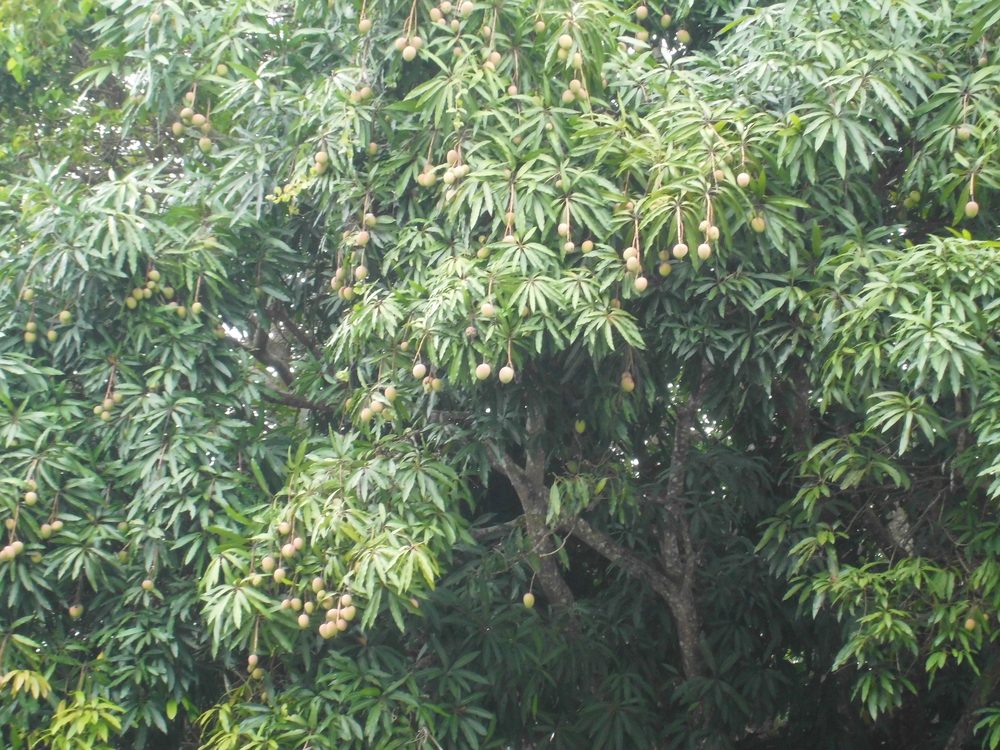
General Description
It is a large fruit tree, capable of growing to a height and width of 30 m (100 ft). There are two distinct genetic populations in modern mangoes – the “Indian type” and the “Southeast Asian type”.
Family Context
The Anacardiaceae family is primarily tropical and subtropical. Notable medicinal members include:
- Cashew — 49 documented uses
- Mastic — 43 documented uses
- California Peppertree — 43 documented uses
- Yellow Mombin — 40 documented uses
Traditional Uses
Mango has been traditionally used for digestive health, respiratory conditions, and urinary tract health, among other applications.
Digestive health.
- Diarrhea
- Vermifuge
- Dysentery
- Laxative
- Stomachic
For digestive complaints, the herb is typically prepared as a tea or decoction taken before meals. The bitter compounds stimulate digestive secretions and improve nutrient absorption. Some traditions use the powdered root or leaves in small doses as a stomachic tonic.
Respiratory conditions.
- Cough
- Asthma
- Catarrh
Respiratory conditions are addressed through steam inhalation of the herb’s vapors or internal use as a warm tea. The hot infusion acts as an expectorant, helping to loosen phlegm and clear congestion. Some traditions combine it with honey for coughs.
Urinary tract health.
- Bladder
- Diuretic
Urinary tract applications typically involve drinking the herb as a mild tea, which increases urine production and helps flush the urinary system. It may be combined with other demulcent herbs to soothe irritated tissues.
Active Compounds
Phytochemical research has identified 30 compounds in this species, including a diverse array of phytochemical classes (see the Complete Chemical Inventory below for the full list).
The identified compounds include the following categories:
- Alkaloid: nitrogenous compounds with diverse pharmacological activities