Botanical Overview
Mandrake (Mandragora officinarum) belongs to the Solanaceae family. Limited but reliable traditional records indicate this plant has recognized medicinal applications in one or more healing traditions. The nightshade family (Solanaceae) includes herbs, shrubs, and small trees with alternate leaves and star-shaped or trumpet-shaped flowers. The fruits are typically berries or capsules. Many species produce potent alkaloids including tropanes, solanines, and nicotine, making this family both medicinally valuable and potentially toxic.
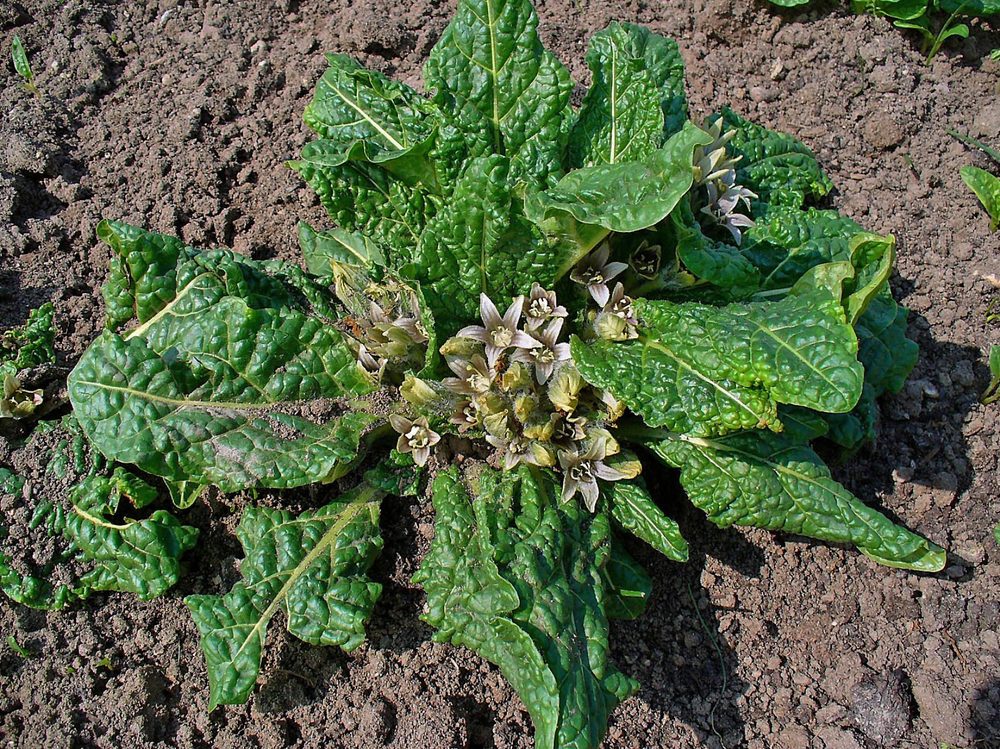
General Description
It is often known as mandrake, although this name is also used for other plants. As of 2015, sources differed significantly in the species they use for Mandragora plants native to the Mediterranean region. The main species found around the Mediterranean is called Mandragora autumnalis, the autumn mandrake. In a broader circumscription, all the plants native to the regions around the Mediterranean Sea are placed in M. officinarum, which thus includes M. autumnalis. The names autumn mandrake and Mediterranean mandrake are then used. Whatever the circumscription, Mandragora officinarum is a perennial herbaceous plant with ovate leaves arranged in a rosette, a thick upright root, often branched, and bell-shaped flowers followed by yellow or orange berries. Because mandrakes contain deliriant hallucinogenic tropane alkaloids (atropine, scopolamine, and hyoscyamine) which cause delirium and hallucinations, and the shape of their roots often resembles human figures, they have been associated with a variety of religious and spiritual practices throughout history. They have long been used in magic rituals, today also in contemporary Pagan practices such as Wicca and Heathenry. However, the so-called “mandrakes” used in this way are not always species of Mandragora let alone Mandragora officinarum; for example, Bryonia alba, the English mandrake, is explicitly mentioned in some sources.
Family Context
The Solanaceae family is widely distributed worldwide. Notable medicinal members include:
- Black Nightshade — 100 documented uses
- Tobacco — 80 documented uses
- Jimsonweed — 66 documented uses
- Hindu Datura — 65 documented uses
Geographic Distribution
Mandrake has been recorded in 10 countries and territories worldwide, including Cyprus, Spain, Greece, Israel, Italy, and others.
Traditional Uses
Mandrake has been traditionally used for respiratory conditions, nervous system disorders, and immune system support.
Respiratory conditions.
- Asthma
- Cough
Respiratory conditions are addressed through steam inhalation of the herb’s vapors or internal use as a warm tea. The hot infusion acts as an expectorant, helping to loosen phlegm and clear congestion. Some traditions combine it with honey for coughs.
Nervous system disorders.
- Narcotic
- Sedative
Nervous system support involves taking the herb as a warm tea, often in the evening or before bed. The calming compounds interact with neurotransmitter systems to promote relaxation and restful sleep.
Immune system support.
- Tumor
Immune support involves taking the herb as a decoction or tincture over extended periods. The active compounds stimulate immune cell activity and provide antimicrobial protection.
Active Compounds
Phytochemical research has identified 18 compounds in this species, including a diverse array of phytochemical classes (see the Complete Chemical Inventory below for the full list).
The identified compounds include the following categories:
- Alkaloid: nitrogenous compounds with diverse pharmacological activities