Botanical Overview
Cheeses (Malva neglecta) belongs to the Malvaceae family. Limited but reliable traditional records indicate this plant has recognized medicinal applications in one or more healing traditions. The mallow family (Malvaceae) includes herbs, shrubs, and trees with alternate leaves, often with stellate hairs. The flowers are typically showy with five petals and numerous stamens fused into a column. Many species produce mucilage and have demulcent and emollient properties.
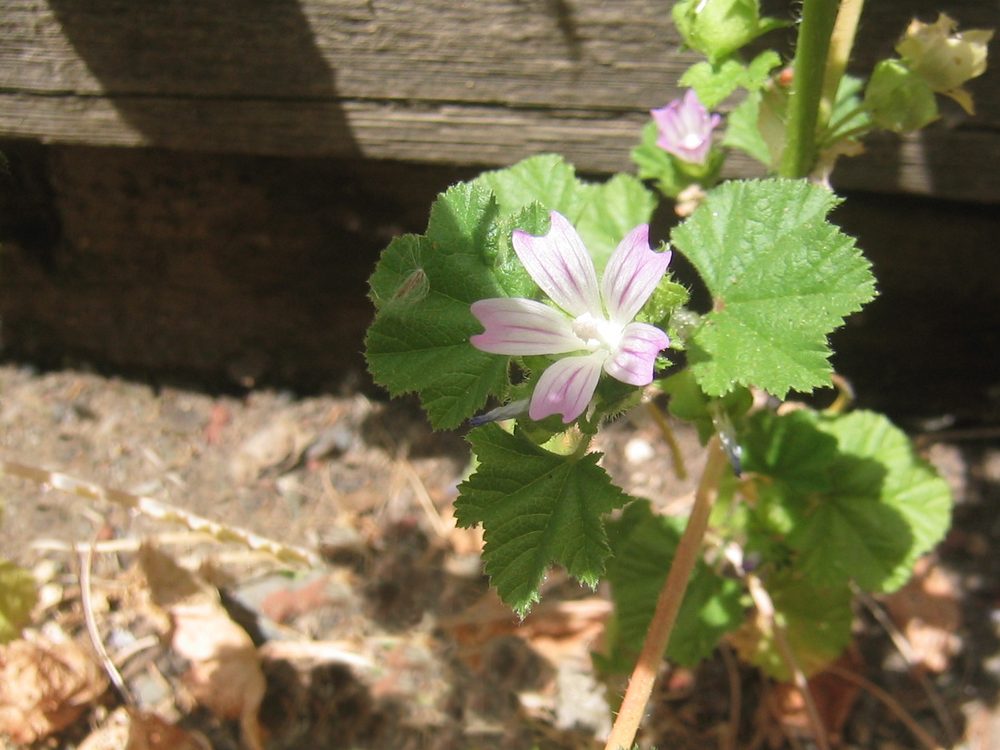
General Description
It is an annual growing to 0. 6 m (2 ft). It is known as common mallow in the United States and also as buttonweed, cheeseplant, cheeseweed, dwarf mallow, and roundleaf mallow. This plant is often consumed as a food, with its leaves, stalks and seed all being considered edible. This is especially true of the seeds, which contain 21% protein and 15. 2% fat.
Family Context
The Malvaceae family is widely distributed worldwide. Notable medicinal members include:
- Chinese hibiscus — 51 documented uses
- Broomweed — 49 documented uses
- Indian tulip tree — 49 documented uses
- Okra — 36 documented uses
Geographic Distribution
Cheeses has been recorded in 10 countries and territories worldwide, including Belgium, Switzerland, Germany, Spain, France, and others.
Traditional Uses
Cheeses has been traditionally used for respiratory conditions, nervous system disorders, and immune system support.
Respiratory conditions.
- Expectorant
- Pectoral
- Catarrh
Respiratory conditions are addressed through steam inhalation of the herb’s vapors or internal use as a warm tea. The hot infusion acts as an expectorant, helping to loosen phlegm and clear congestion. Some traditions combine it with honey for coughs.
Nervous system disorders.
- Sedative
Nervous system support involves taking the herb as a warm tea, often in the evening or before bed. The calming compounds interact with neurotransmitter systems to promote relaxation and restful sleep.
Immune system support.
- Tumor
Immune support involves taking the herb as a decoction or tincture over extended periods. The active compounds stimulate immune cell activity and provide antimicrobial protection.
Active Compounds
Phytochemical research has identified 9 compounds in this species, including a diverse array of phytochemical classes (see the Complete Chemical Inventory below for the full list).
The identified compounds include the following categories:
- Alkaloid: nitrogenous compounds with diverse pharmacological activities
- Tannin: astringent compounds that tighten tissues and resist infection