Botanical Overview
Mahonia fortunei belongs to the Berberidaceae family. While not among the most extensively documented medicinal plants, this species has recorded uses that warrant attention from researchers and practitioners. The barberry family (Berberidaceae) includes shrubs and herbs with alternate or basal leaves and yellow wood or roots due to alkaloid content. The flowers have six sepals and six petals arranged in whorls, and the fruits are berries or capsules. Many species produce isoquinoline alkaloids like berberine with antimicrobial activity.
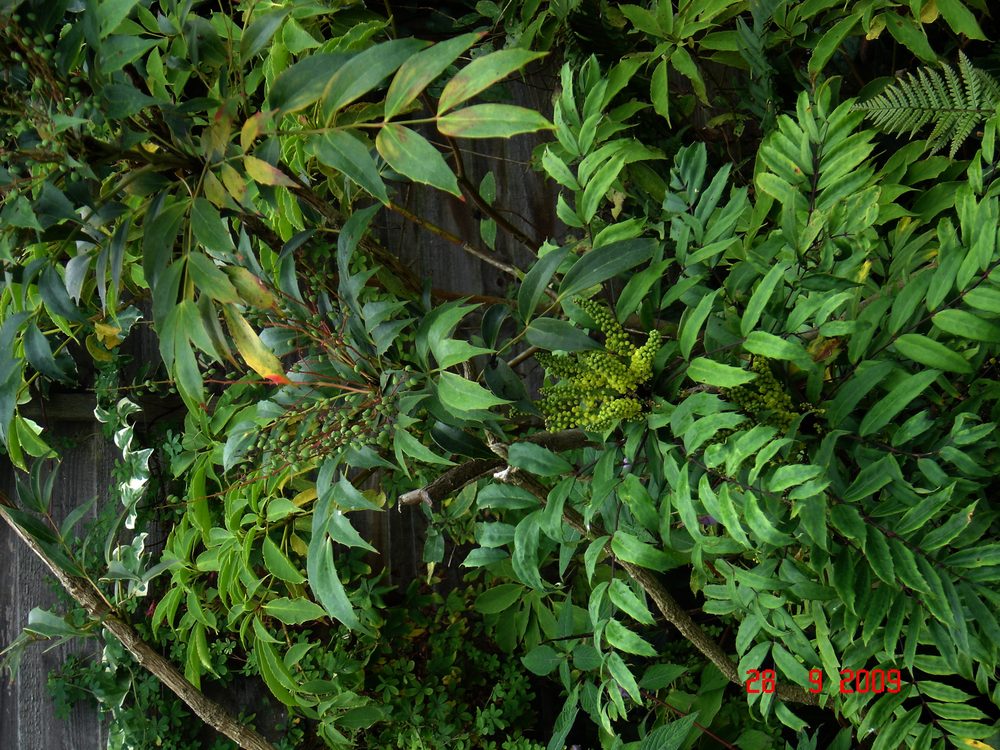
General Description
It is endemic to China, found in the provinces of Chongqing, Guangxi, Guizhou, Hubei, Hunan, Jiangxi, Sichuan, Taiwan, and Zhejiang. It is grown as an ornamental in many lands, with common names including Chinese mahonia, Fortune’s mahonia, and holly grape.
Family Context
The Berberidaceae family is widely distributed in temperate regions. Notable medicinal members include:
- Heavenly Bamboo — 24 documented uses
- Mayapple — 19 documented uses
- Barberry — 17 documented uses
- Japanese Ashberry — 13 documented uses
Geographic Distribution
Mahonia fortunei has been recorded in 10 countries and territories worldwide, including Brazil, China, Spain, Indonesia, Japan, and others.
Active Compounds
Phytochemical research has identified 2 compounds in this species: berberine, jatrorrhizine.
The identified compounds include the following categories:
- Alkaloid: nitrogenous compounds with diverse pharmacological activities