Botanical Overview
Oregon Grape (Mahonia aquifolium) belongs to the Berberidaceae family. While not among the most extensively documented medicinal plants, this species has recorded uses that warrant attention from researchers and practitioners. The barberry family (Berberidaceae) includes shrubs and herbs with alternate or basal leaves and yellow wood or roots due to alkaloid content. The flowers have six sepals and six petals arranged in whorls, and the fruits are berries or capsules. Many species produce isoquinoline alkaloids like berberine with antimicrobial activity.
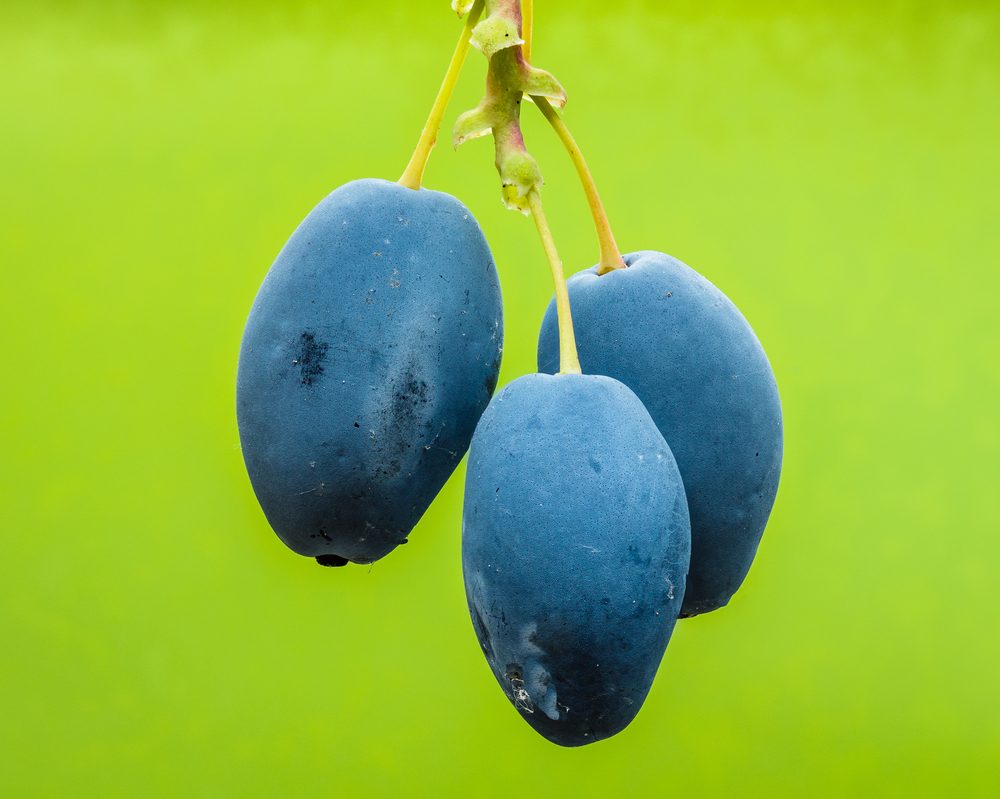
General Description
It is an evergreen shrub growing up to 3 metres (10 ft) tall and 1. 5 m (5 ft) wide. It has pinnate leaves consisting of spiny leaflets, exhibiting dense clusters of yellow flowers in early spring, followed by dark bluish-black berries.
Family Context
The Berberidaceae family is widely distributed in temperate regions. Notable medicinal members include:
- Heavenly Bamboo — 24 documented uses
- Mayapple — 19 documented uses
- Barberry — 17 documented uses
- Japanese Ashberry — 13 documented uses
Geographic Distribution
Oregon Grape has been recorded in 10 countries and territories worldwide, including Austria, Belgium, Canada, Switzerland, Germany, and others.
Traditional Uses
Oregon Grape has been traditionally used for metabolic and nutritional health and immune system support.
Metabolic and nutritional health.
- Tonic
- Alterative
Metabolic applications include consuming the plant as a food, fresh juice, or herbal infusion. Regular use supports the body’s natural metabolic processes and nutritional status.
Immune system support.
- Bactericide
Immune support involves taking the herb as a decoction or tincture over extended periods. The active compounds stimulate immune cell activity and provide antimicrobial protection.
Active Compounds
Phytochemical research has identified 30 compounds in this species, including a diverse array of phytochemical classes (see the Complete Chemical Inventory below for the full list).
The identified compounds include the following categories:
- Alkaloid: nitrogenous compounds with diverse pharmacological activities
- Tannin: astringent compounds that tighten tissues and resist infection