Botanical Overview
Ho-no-ki (Magnolia obovata) belongs to the Magnoliaceae family. Limited but reliable traditional records indicate this plant has recognized medicinal applications in one or more healing traditions. This species belongs to the Magnoliaceae family, a group of flowering plants.
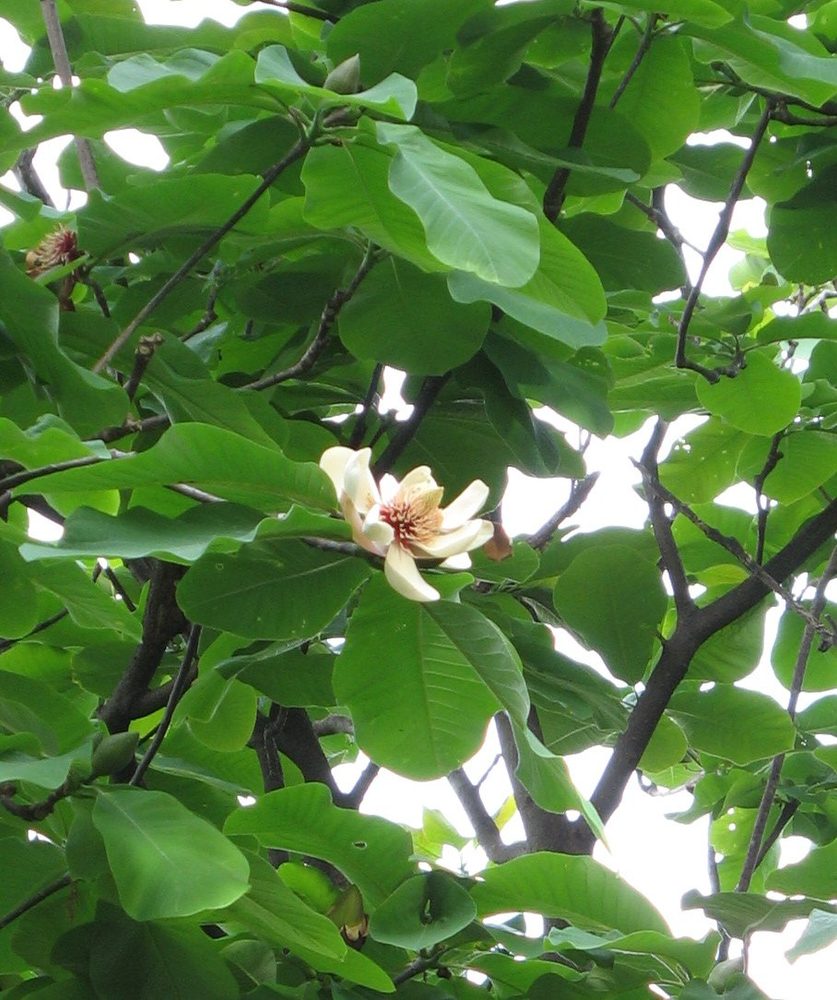
General Description
It grows from near sea level up to 1,800 m elevation in mixed broadleaf forests.
Family Context
The Magnoliaceae family is widely distributed. Notable medicinal members include:
- Champac — 45 documented uses
- Chinese Magnolia — 36 documented uses
- Hsin-I — 3 documented uses
- Hsin-I — 3 documented uses
Geographic Distribution
Ho-no-ki has been recorded in 10 countries and territories worldwide, including Brazil, Switzerland, China, Germany, United Kingdom, and others.
Traditional Uses
Ho-no-ki has been traditionally used for digestive health, urinary tract health, and pain and inflammation, among other applications.
Digestive health.
- Stomachic
For digestive complaints, the herb is typically prepared as a tea or decoction taken before meals. The bitter compounds stimulate digestive secretions and improve nutrient absorption. Some traditions use the powdered root or leaves in small doses as a stomachic tonic.
Urinary tract health.
- Diuretic
Urinary tract applications typically involve drinking the herb as a mild tea, which increases urine production and helps flush the urinary system. It may be combined with other demulcent herbs to soothe irritated tissues.
Pain and inflammation.
- Anodyne
For pain and inflammation, preparations are applied both topically as compresses and taken internally. A warm poultice draws blood to the area and promotes healing, while internal preparations address systemic inflammation.
Active Compounds
Phytochemical research has identified 2 compounds in this species: honokiol, magnolol.