Botanical Overview
Hsin-I (Magnolia denudata) belongs to the Magnoliaceae family. While not among the most extensively documented medicinal plants, this species has recorded uses that warrant attention from researchers and practitioners. This species belongs to the Magnoliaceae family, a group of flowering plants.
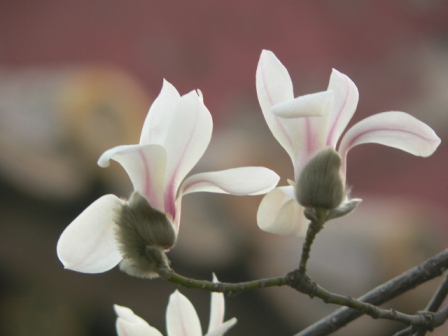
General Description
‘jade orchid/lily’), is native to central and eastern China. It has been cultivated in Chinese Buddhist temple gardens since 600 AD. Its flowers were regarded as a symbol of purity in the Tang dynasty and it was planted in the grounds of the emperor’s palace. It is the official city flower of Shanghai.
Family Context
The Magnoliaceae family is widely distributed. Notable medicinal members include:
- Champac — 45 documented uses
- Chinese Magnolia — 36 documented uses
- Ho-no-ki — 10 documented uses
- Hsin-I — 3 documented uses
Geographic Distribution
Hsin-I has been recorded in 10 countries and territories worldwide, including Belgium, Canada, China, Germany, France, and others.
Traditional Uses
Hsin-I has been traditionally used for pain and inflammation and nervous system disorders.
Pain and inflammation.
- Anodyne
For pain and inflammation, preparations are applied both topically as compresses and taken internally. A warm poultice draws blood to the area and promotes healing, while internal preparations address systemic inflammation.
Nervous system disorders.
- Sedative
Nervous system support involves taking the herb as a warm tea, often in the evening or before bed. The calming compounds interact with neurotransmitter systems to promote relaxation and restful sleep.
Active Compounds
Phytochemical research has identified 30 compounds in this species, including a diverse array of phytochemical classes (see the Complete Chemical Inventory below for the full list).
The identified compounds include the following categories:
- Flavonoid: antioxidant compounds that protect cells from oxidative damage
- Alkaloid: nitrogenous compounds with diverse pharmacological activities