Botanical Overview
Climbing Fern (Lygodium japonicum) is a flowering plant in the Schizaeaceae family. The traditional uses of this species reflect its genuine medicinal value, validated by generations of practical experience. This species belongs to the Schizaeaceae family, a group of flowering plants.
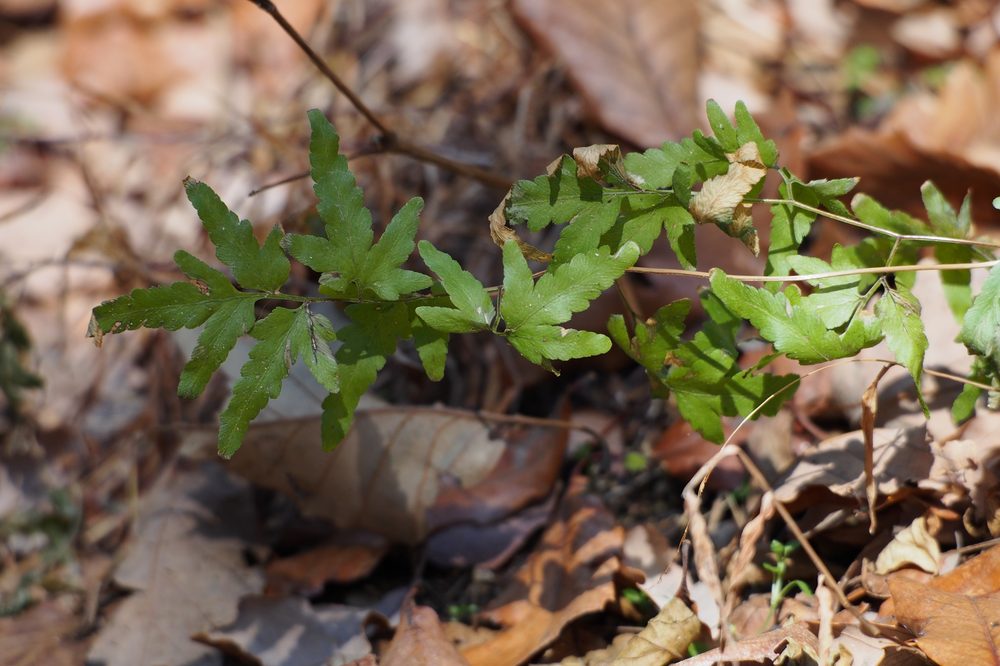
General Description
It is native to eastern Asia, from Pakistan through India east to Taiwan, Japan, Korea, and south through southeastern Asia to New Guinea. The fern is present in the southeastern United States, Puerto Rico, South Africa, and Australia as an introduced species.
Geographic Distribution
Climbing Fern has been recorded in 10 countries and territories worldwide, including Australia, China, Hong Kong, Indonesia, India, and others.
Traditional Uses
Climbing Fern has been traditionally used for respiratory conditions, urinary tract health, and fever management, among other applications.
Respiratory conditions.
- Expectorant
- Cold
Respiratory conditions are addressed through steam inhalation of the herb’s vapors or internal use as a warm tea. The hot infusion acts as an expectorant, helping to loosen phlegm and clear congestion. Some traditions combine it with honey for coughs.
Urinary tract health.
- Nephritis
- Edema
- Diuretic
Urinary tract applications typically involve drinking the herb as a mild tea, which increases urine production and helps flush the urinary system. It may be combined with other demulcent herbs to soothe irritated tissues.
Fever management.
- Fever
Febrifuge preparations are typically administered as hot teas to induce perspiration, which helps the body regulate temperature. The patient is kept warm and encouraged to rest while the herb promotes sweating.
Active Compounds
Phytochemical research has identified 10 compounds in this species, including a diverse array of phytochemical classes (see the Complete Chemical Inventory below for the full list).