Botanical Overview
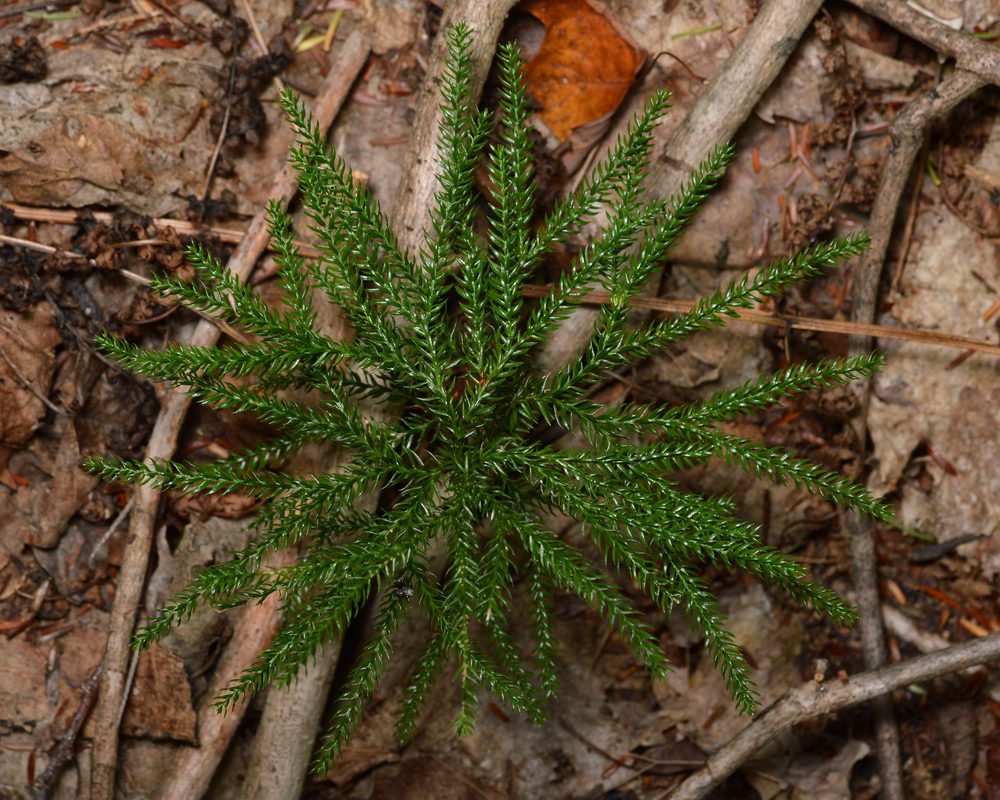
Clubmoss (Lycopodium erythraeum) is a species in the Lycopodiaceae family. The clubmoss family (Lycopodiaceae) includes evergreen, moss-like plants with creeping stems and upright branches covered in small, scale-like leaves. These ancient plants reproduce by spores rather than seeds. Several species produce alkaloids used in traditional medicine and as sources of clubmoss powder. Phytochemical data for this species are limited at present.
Family Context
The Lycopodiaceae family is widely distributed. Notable medicinal members include:
- Antler Herb — 24 documented uses
- clubmoss — 19 documented uses
- Clubmoss — 1 documented uses
- Clubmoss — 1 documented uses
Geographic Distribution
Clubmoss has been recorded in Colombia, Costa Rica, Ecuador, and Peru.
Active Compounds
Phytochemical research has identified 1 compound in this species: selagine.
The identified compounds include the following categories:
- Alkaloid: nitrogenous compounds with diverse pharmacological activities
Research Status
Although this species has documented phytochemical constituents, its ethnobotanical and clinical documentation remains incomplete. Further ethnobotanical and pharmacological research may reveal additional therapeutic applications for this species.