Botanical Overview
Clubmoss (Lycopodium complanatum) belongs to the Lycopodiaceae family. While not among the most extensively documented medicinal plants, this species has recorded uses that warrant attention from researchers and practitioners. The clubmoss family (Lycopodiaceae) includes evergreen, moss-like plants with creeping stems and upright branches covered in small, scale-like leaves. These ancient plants reproduce by spores rather than seeds. Several species produce alkaloids used in traditional medicine and as sources of clubmoss powder.
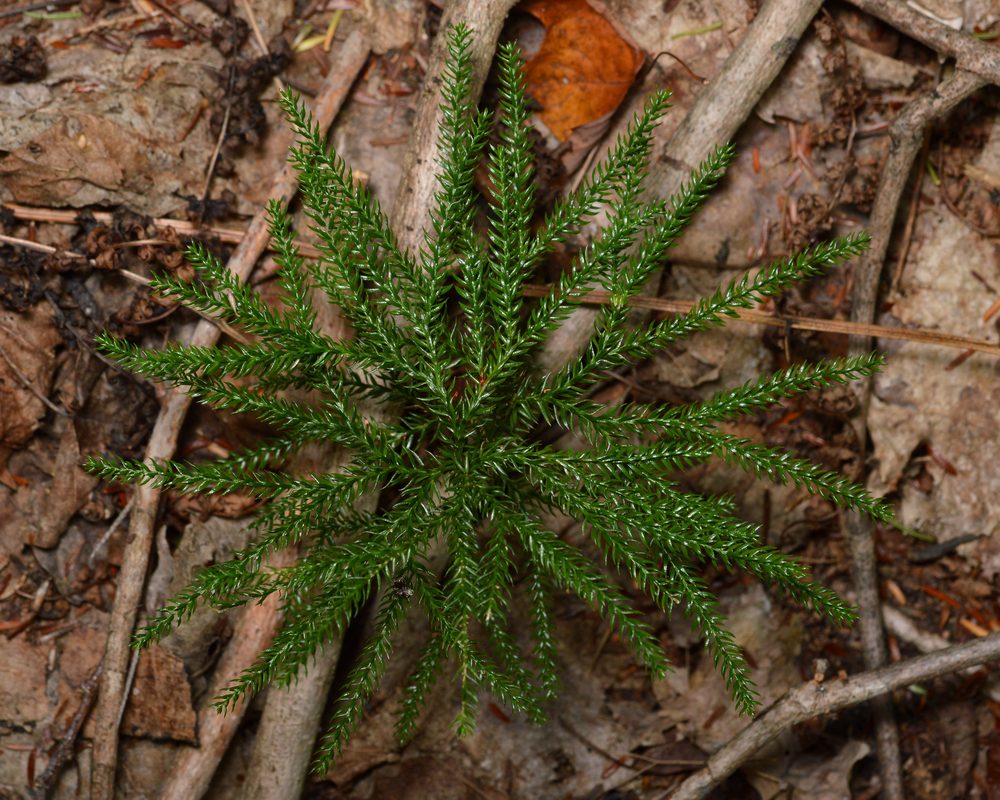
General Description
Under the original name Lycopodium complanatum, this was an inclusive superspecies that included a number of other species now known to be biologically separate. This plant is an evergreen, perennial pteridophyte. The spores are produced June to September.
Family Context
The Lycopodiaceae family is widely distributed. Notable medicinal members include:
- Antler Herb — 24 documented uses
- clubmoss — 19 documented uses
- Clubmoss — 1 documented uses
Traditional Uses
Clubmoss has been traditionally used for immune system support.
Immune system support.
- Antiseptic
Immune support involves taking the herb as a decoction or tincture over extended periods. The active compounds stimulate immune cell activity and provide antimicrobial protection.
Active Compounds
Phytochemical research has identified 1 compound in this species: lycopodine.
The identified compounds include the following categories:
- Alkaloid: nitrogenous compounds with diverse pharmacological activities