Botanical Overview
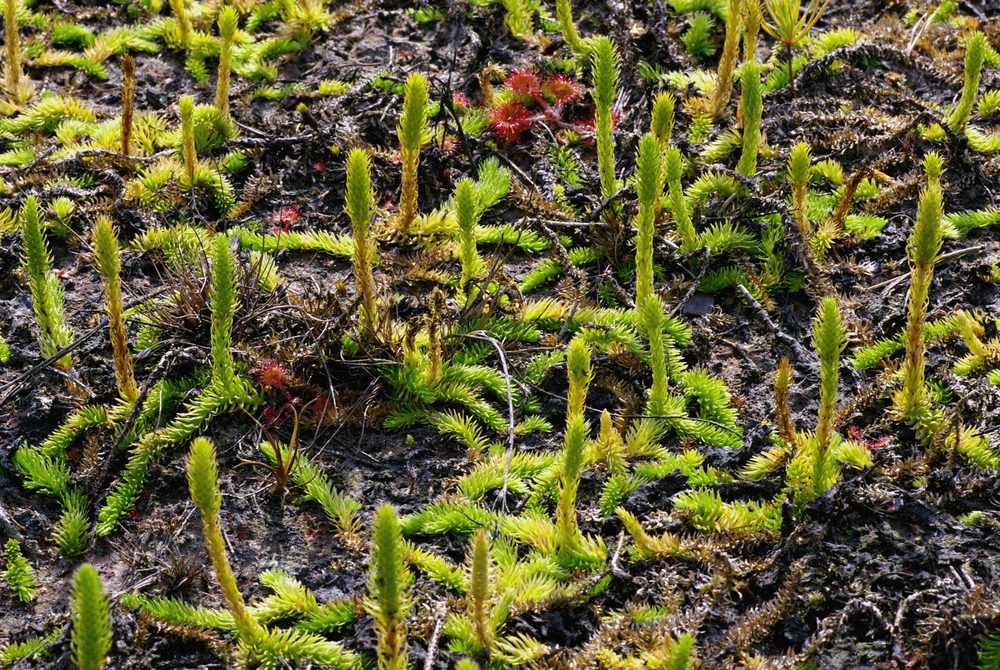
Clubmoss (Lycopodiella inundata) is a species in the Lycopodiaceae family. The clubmoss family (Lycopodiaceae) includes evergreen, moss-like plants with creeping stems and upright branches covered in small, scale-like leaves. These ancient plants reproduce by spores rather than seeds. Several species produce alkaloids used in traditional medicine and as sources of clubmoss powder. Phytochemical data for this species are limited at present.
General Description
It has a circumpolar and circumboreal distribution, occurring throughout the northern Northern Hemisphere from the Arctic to montane temperate regions in Eurasia and North America. It grows in wet habitat, such as bogs, ponds, moist spots on the tundra, and long-standing borrow pits.
Family Context
The Lycopodiaceae family is widely distributed. Notable medicinal members include:
- Antler Herb — 24 documented uses
- clubmoss — 19 documented uses
- Clubmoss — 1 documented uses
- Clubmoss — 1 documented uses
Geographic Distribution
Clubmoss has been recorded in 10 countries and territories worldwide, including Belgium, Switzerland, Germany, Finland, France, and others.
Active Compounds
Phytochemical research has identified 2 compounds in this species: inundatine, lycoflexine.
The identified compounds include the following categories:
- Alkaloid: nitrogenous compounds with diverse pharmacological activities
Research Status
Although this species has documented phytochemical constituents, its ethnobotanical and clinical documentation remains incomplete. The limited documentation available for this species represents an opportunity for ethnobotanical research.