Botanical Overview
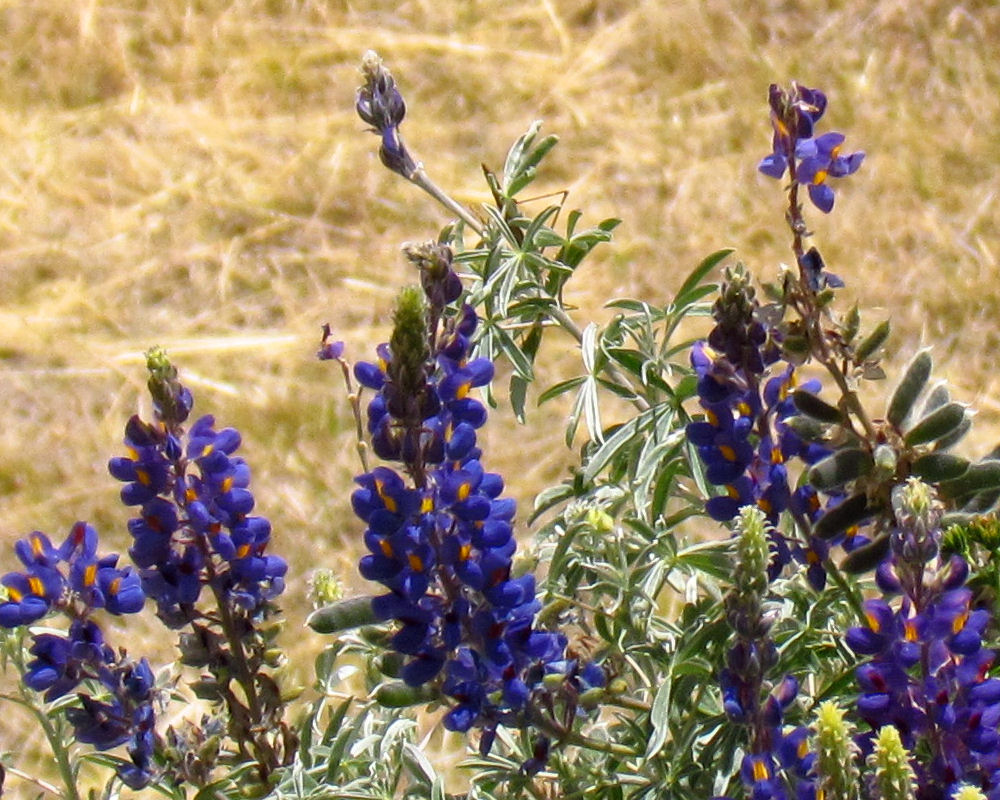
Andean Lupine (Lupinus mutabilis) is a species in the Fabaceae family. The legume family (Fabaceae) includes trees, shrubs, and herbs that produce pods (legumes) and form nitrogen-fixing root nodules through symbiosis with bacteria. The flowers are typically pea-shaped with five petals. This large family provides food staples, timber, and numerous medicinal species. Although comprehensive ethnobotanical records are limited, phytochemical studies have identified 16 compounds in this species, suggesting potential medicinal value.
General Description
Vernacular names include tarwi (in Quechua II, pronounced tarhui), chocho, altramuz, Andean lupin, South American lupin, Peruvian field lupin, and pearl lupin. Its nutrient-rich seeds are high in protein, as well as a good source for cooking oil. However, their bitter taste has made L. mutabilis relatively unknown outside the Andes, though modern technology makes removing the bitter alkaloids easier. Like other species of lupin beans, it is expanding in use as a plant-based protein source.
Family Context
The Fabaceae family is large and globally distributed. Notable medicinal members include:
- Soybean — 76 documented uses
- Crab’s Eye — 73 documented uses
- Tamarind — 59 documented uses
- Common Indigo — 51 documented uses
Geographic Distribution
Andean Lupine has been recorded in 10 countries and territories worldwide, including Afghanistan, Australia, Bolivia, Colombia, Czech Republic, and others.
Active Compounds
Phytochemical research has identified 16 compounds in this species, including a diverse array of phytochemical classes (see the Complete Chemical Inventory below for the full list).
The identified compounds include the following categories:
- Alkaloid: nitrogenous compounds with diverse pharmacological activities
Research Status
Although this species has documented phytochemical constituents, its ethnobotanical and clinical documentation remains incomplete. Further ethnobotanical and pharmacological research may reveal additional therapeutic applications for this species.