Botanical Overview
Lumnitzera racemosa belongs to the Combretaceae family. Limited but reliable traditional records indicate this plant has recognized medicinal applications in one or more healing traditions. The combretum family (Combretaceae) includes trees, shrubs, and climbers with simple, opposite or alternate leaves and small flowers with four or five petals. The fruits are often winged or ridged. Many species contain tannins and have astringent, antimicrobial properties.
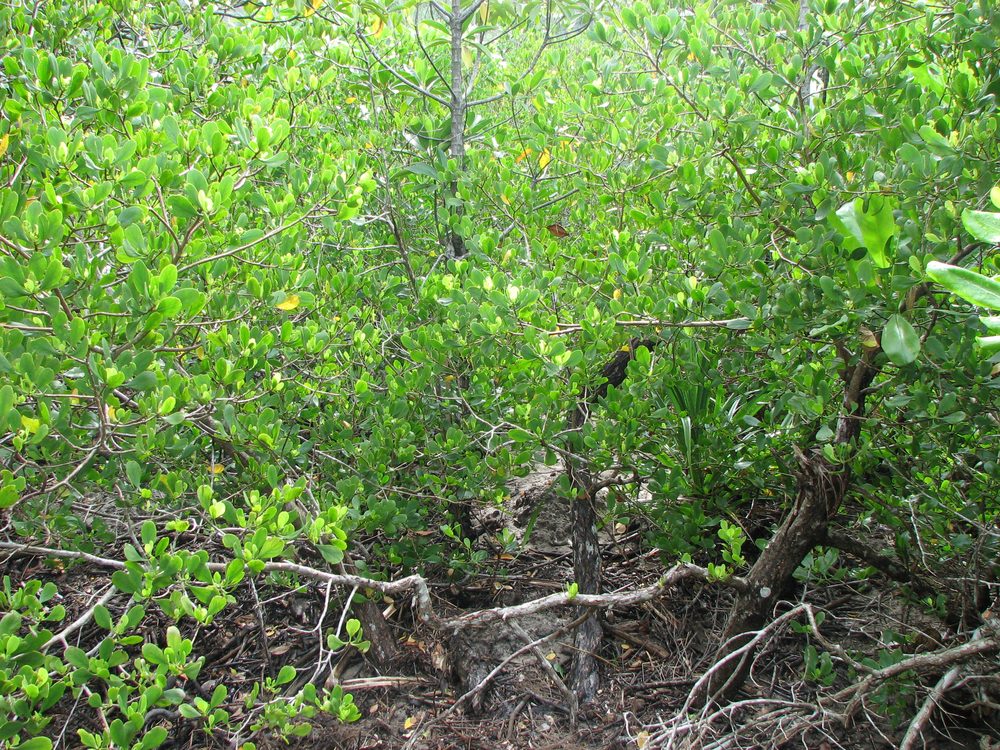
General Description
It is found on the eastern coast of Africa and other places in the western Indo-Pacific region. It has one accepted variety from the noniminate species which is Lumnitzera racemosa var. lutea (Gaudich. ) Exell.
Family Context
The Combretaceae family is widely distributed. Notable medicinal members include:
- Ink Nut — 49 documented uses
- Indian Almond — 44 documented uses
- Arjun — 27 documented uses
- Rangoon Creeper — 21 documented uses
Geographic Distribution
Lumnitzera racemosa has been recorded in 10 countries and territories worldwide, including Australia, China, Indonesia, Japan, Sri Lanka, and others.
Traditional Uses
Lumnitzera racemosa has been traditionally used for skin and wound care.
Skin and wound care.
- Itch
For skin conditions, the fresh or dried plant is applied topically as a poultice, wash, or compress. A strong decoction can be used to clean wounds and sores. The antimicrobial properties help prevent infection while promoting tissue repair.
Active Compounds
Phytochemical research has identified 1 compound in this species: betulin.