Botanical Overview
Dan Zhu Ye (Lophatherum gracile) is a flowering plant in the Poaceae family. This plant has earned a place in traditional medicine through its consistent therapeutic benefits, recorded across multiple cultures. The grass family (Poaceae) includes annual and perennial herbs with hollow, jointed stems and narrow leaves with parallel venation. The flowers are reduced and arranged in spikelets, and the fruits are grains (caryopses). This family provides the majority of the world’s food calories through cereals.
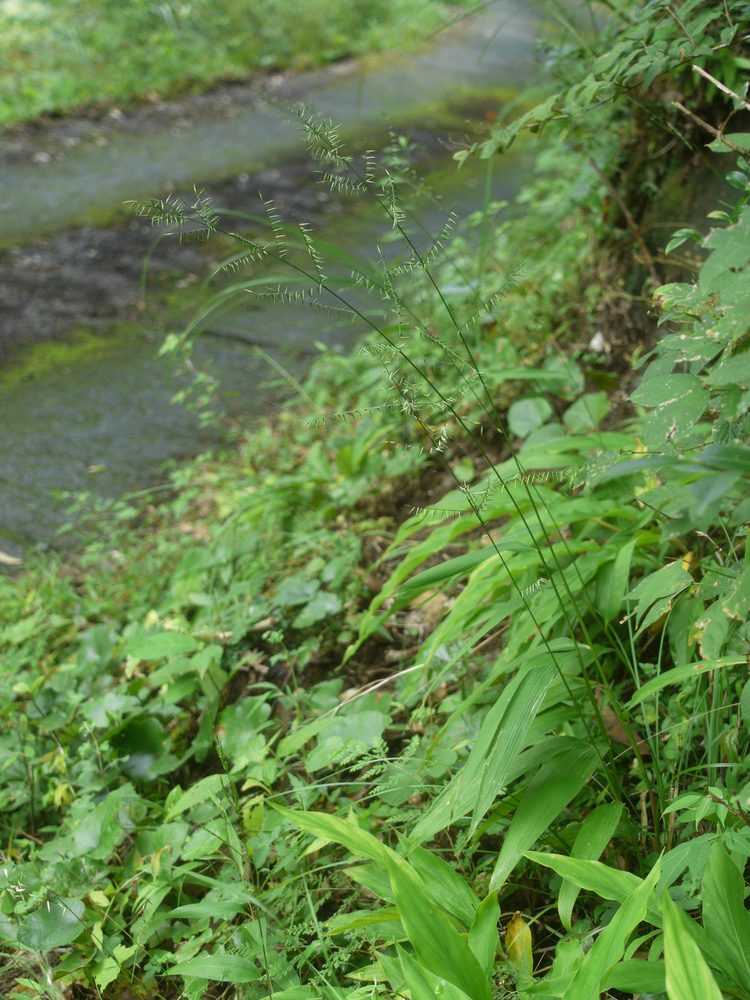
Family Context
The Poaceae family is very large and globally distributed. Notable medicinal members include:
- Adlay — 54 documented uses
- Corn — 51 documented uses
- Rice — 47 documented uses
- West Indian Lemongrass — 43 documented uses
Geographic Distribution
Dan Zhu Ye has been recorded in 10 countries and territories worldwide, including China, Indonesia, Japan, South Korea, Sri Lanka, and others.
Traditional Uses
Dan Zhu Ye has been traditionally used for digestive health, urinary tract health, and nervous system disorders, among other applications.
Digestive health.
- Carminative
- Stomachic
For digestive complaints, the herb is typically prepared as a tea or decoction taken before meals. The bitter compounds stimulate digestive secretions and improve nutrient absorption. Some traditions use the powdered root or leaves in small doses as a stomachic tonic.
Urinary tract health.
- Diuretic
Urinary tract applications typically involve drinking the herb as a mild tea, which increases urine production and helps flush the urinary system. It may be combined with other demulcent herbs to soothe irritated tissues.
Nervous system disorders.
- Insomnia
Nervous system support involves taking the herb as a warm tea, often in the evening or before bed. The calming compounds interact with neurotransmitter systems to promote relaxation and restful sleep.
Active Compounds
Phytochemical research has identified 14 compounds in this species, including a diverse array of phytochemical classes (see the Complete Chemical Inventory below for the full list).