Botanical Overview
Indian Tobacco (Lobelia inflata) is a flowering plant in the Campanulaceae family. The traditional uses of this species reflect its genuine medicinal value, validated by generations of practical experience. This species belongs to the Campanulaceae family, a group of flowering plants.
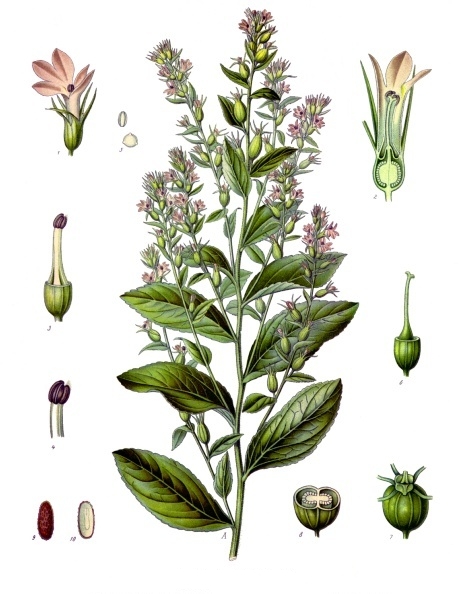
General Description
Lobelia inflata, also known as Indian tobacco or puke weed, is a species of Lobelia native to eastern North America, from southeastern Canada (Nova Scotia to southeast Ontario) south through the eastern United States to Alabama and west to Kansas.
Family Context
The Campanulaceae family is widely distributed. Notable medicinal members include:
- Balloon Flower — 32 documented uses
Geographic Distribution
Indian Tobacco has been recorded in 10 countries and territories worldwide, including Canada, Chile, Germany, Finland, Japan, and others.
Traditional Uses
Indian Tobacco has been traditionally used for respiratory conditions, nervous system disorders, and metabolic and nutritional health, among other applications.
Respiratory conditions.
- Expectorant
- Asthma
- Bronchitis
Respiratory conditions are addressed through steam inhalation of the herb’s vapors or internal use as a warm tea. The hot infusion acts as an expectorant, helping to loosen phlegm and clear congestion. Some traditions combine it with honey for coughs.
Nervous system disorders.
- Spasm
- Convulsion
- Nervine
- Narcotic
Nervous system support involves taking the herb as a warm tea, often in the evening or before bed. The calming compounds interact with neurotransmitter systems to promote relaxation and restful sleep.
Metabolic and nutritional health.
- Sudorific
Metabolic applications include consuming the plant as a food, fresh juice, or herbal infusion. Regular use supports the body’s natural metabolic processes and nutritional status.
Active Compounds
Phytochemical research has identified 30 compounds in this species, including a diverse array of phytochemical classes (see the Complete Chemical Inventory below for the full list).
The identified compounds include the following categories:
- Alkaloid: nitrogenous compounds with diverse pharmacological activities