Botanical Overview
Oregano (Lippia graveolens) belongs to the Verbenaceae family. Limited but reliable traditional records indicate this plant has recognized medicinal applications in one or more healing traditions. The verbena family (Verbenaceae) includes herbs, shrubs, and trees with opposite leaves and spikes or clusters of small, tubular flowers with four or five petals. Many species produce aromatic oils in glandular hairs on their leaves and stems.
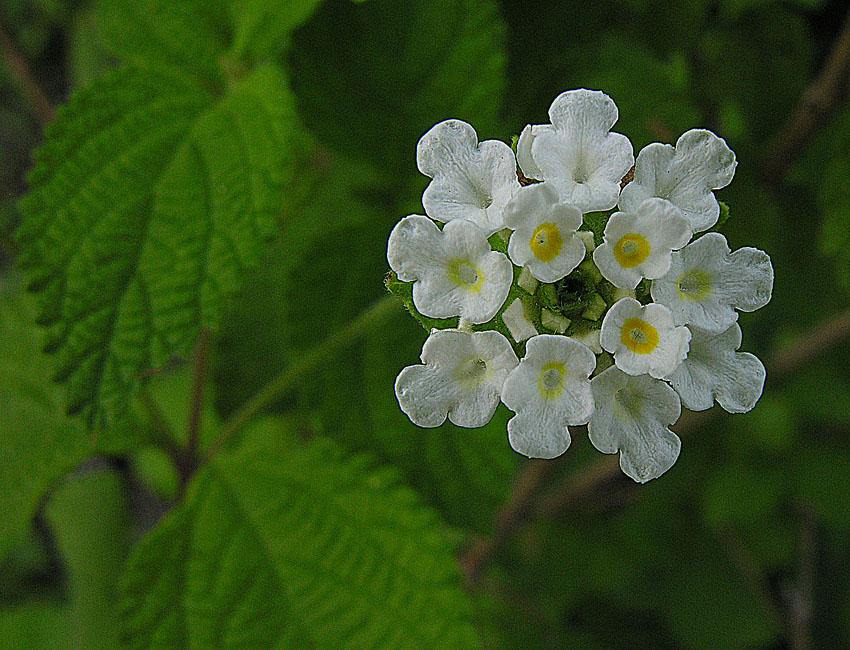
General Description
Common names include: Mexican oregano, redbrush lippia, orégano cimarrón (‘wild oregano’), scented lippia, and scented matgrass. The specific epithet is derived from two Latin words: gravis, meaning ‘heavy’, and olens, meaning ‘smelling’. It is a shrub or small tree, reaching 1–2. 7 m (3. 3–8. 9 ft) in height. Fragrant white or yellowish flowers can be found on the plant throughout the year, especially after rains.
Family Context
The Verbenaceae family is widely distributed. Notable medicinal members include:
- Lantana — 59 documented uses
- Vervain — 58 documented uses
- Brazilian Tea — 55 documented uses
- White Lippia — 20 documented uses
Geographic Distribution
Oregano has been recorded in 10 countries and territories worldwide, including Bolivia, BQ, Belize, Costa Rica, Guatemala, and others.
Traditional Uses
Oregano has been traditionally used for respiratory conditions and metabolic and nutritional health.
Respiratory conditions.
- Expectorant
Respiratory conditions are addressed through steam inhalation of the herb’s vapors or internal use as a warm tea. The hot infusion acts as an expectorant, helping to loosen phlegm and clear congestion. Some traditions combine it with honey for coughs.
Metabolic and nutritional health.
- Tonic
Metabolic applications include consuming the plant as a food, fresh juice, or herbal infusion. Regular use supports the body’s natural metabolic processes and nutritional status.
Active Compounds
Phytochemical research has identified 5 compounds in this species, including a diverse array of phytochemical classes (see the Complete Chemical Inventory below for the full list).