Botanical Overview
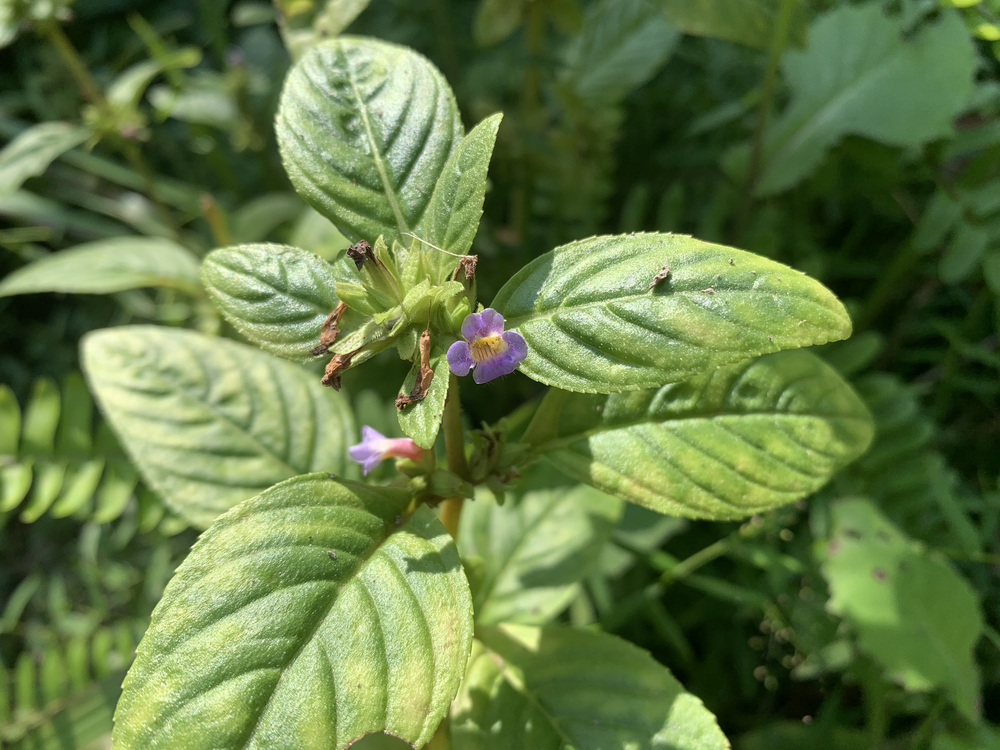
Limnophila rugosa belongs to the Scrophulariaceae family. While not among the most extensively documented medicinal plants, this species has recorded uses that warrant attention from researchers and practitioners. The figwort family (Scrophulariaceae) includes herbs and shrubs with alternate or opposite leaves and two-lipped, often showy flowers. The fruits are typically capsules with many small seeds. Many species contain iridoid glycosides and cardiac glycosides with medicinal properties.
Family Context
The Scrophulariaceae family is widely distributed. Notable medicinal members include:
- Scoparia dulcis — 56 documented uses
- Chinese Foxglove — 53 documented uses
- Mullein — 50 documented uses
- Common Speedwell — 24 documented uses
Geographic Distribution
Limnophila rugosa has been recorded in 10 countries and territories worldwide, including China, French Guiana, Hong Kong, Indonesia, India, and others.
Traditional Uses
Limnophila rugosa has been traditionally used for digestive health, urinary tract health, and reproductive health, among other applications.
Digestive health.
- Stomachic
For digestive complaints, the herb is typically prepared as a tea or decoction taken before meals. The bitter compounds stimulate digestive secretions and improve nutrient absorption. Some traditions use the powdered root or leaves in small doses as a stomachic tonic.
Urinary tract health.
- Diuretic
Urinary tract applications typically involve drinking the herb as a mild tea, which increases urine production and helps flush the urinary system. It may be combined with other demulcent herbs to soothe irritated tissues.
Reproductive health.
- Gonorrhea
In traditional contexts, reproductive health applications typically involve internal preparations such as teas or decoctions. The herb may be taken at specific times during the menstrual cycle.
Active Compounds
Phytochemical research has identified 2 compounds in this species: betulin, betulinic-acid.