Botanical Overview
Lepechinia hastata is a species in the Lamiaceae family. The mint family (Lamiaceae) includes aromatic herbs and shrubs with square stems, opposite leaves, and two-lipped flowers. Many species produce essential oils in glandular trichomes on their leaves and stems. This family is one of the most important sources of culinary and medicinal herbs worldwide. Phytochemical data for this species are limited at present.
General Description
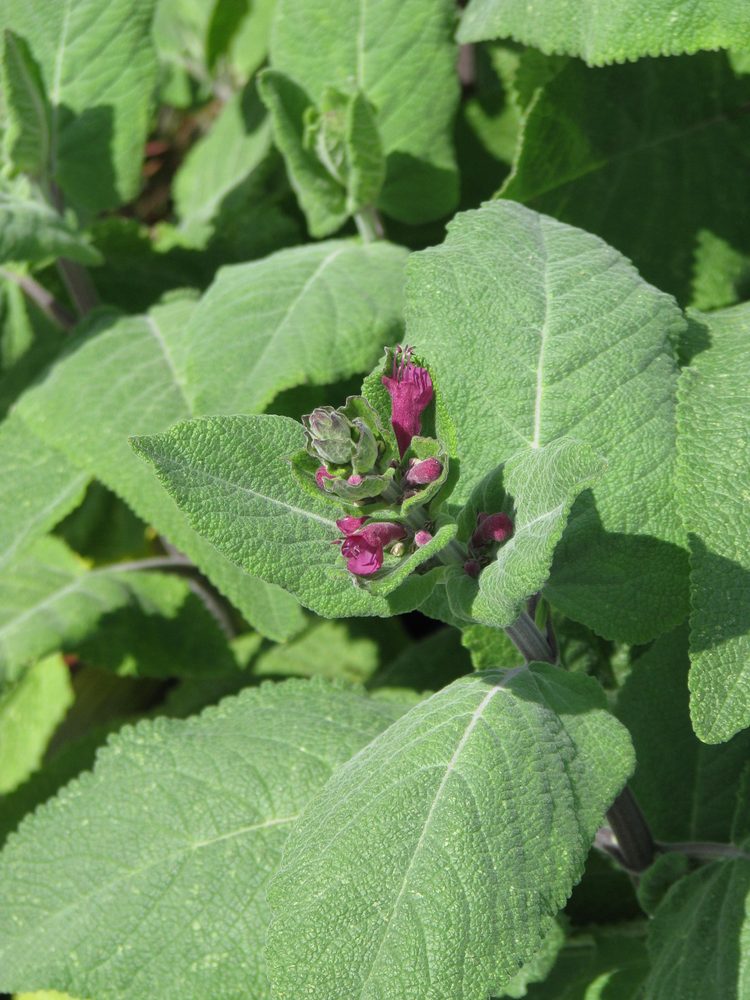
Lepechinia hastata is an aromatic shrub characterized by large, arrowhead-shaped leaves and attractive purple to magenta flowers. In the wild, it is known from the forested mountains of the Sierra de la Laguna in Baja California Sur and the volcanic Socorro Island in the Pacific Ocean, both part of Mexico. The plants of Socorro Island are their own subspecies, and differ in their white flowers and wooly, grayer foliage. It is also found on the Hawaiian island of Maui where it is known as pakaha. It is unclear if the Hawaiian plants are introduced or represent a natural disjunct population. In horticulture, this plant is a widely-cultivated ornamental. It is one of three species of Lepechinia in the Baja California area, with the other two, Lepechinia ganderi and Lepechinia cardiophylla, found far to the north in drier chaparral habitat.
Family Context
The Lamiaceae family is large and widely distributed. Notable medicinal members include:
- Basil — 86 documented uses
- Rosemary — 60 documented uses
- Agbo — 54 documented uses
- Sage — 49 documented uses
Geographic Distribution
Lepechinia hastata has been recorded in Belgium, Mexico, and United States.
Active Compounds
Phytochemical research has identified 2 compounds in this species: carnosic-acid, carnosol.
Research Status
Although this species has documented phytochemical constituents, its ethnobotanical and clinical documentation remains incomplete. Further ethnobotanical and pharmacological research may reveal additional therapeutic applications for this species.