Dutch Lavender

Also known as: Lavandin

Botanical Overview

Dutch Lavender (Lavandula x intermedia) is a species in the Lamiaceae family. The mint family (Lamiaceae) includes aromatic herbs and shrubs with square stems, opposite leaves, and two-lipped flowers. Many species produce essential oils in glandular trichomes on their leaves and stems. This family is one of the most important sources of culinary and medicinal herbs worldwide. Although comprehensive ethnobotanical records are limited, phytochemical studies have identified 30 compounds in this species, suggesting potential medicinal value.
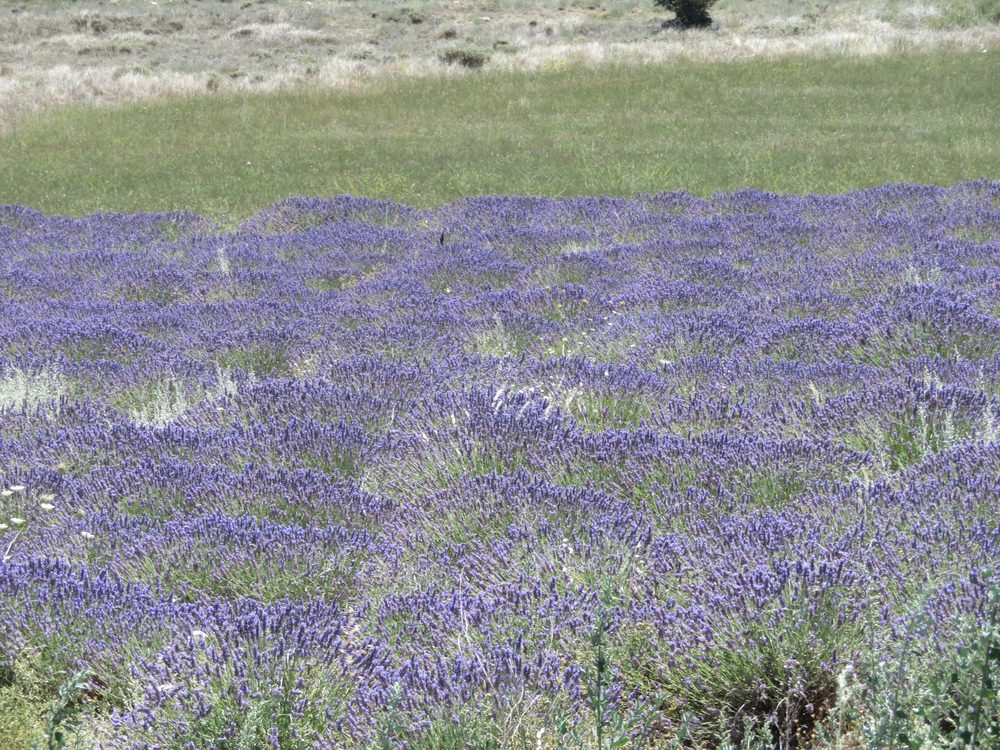
General Description

It is native to the Old World, primarily found across the drier, warmer regions of the Mediterranean, with an affinity for maritime breezes.

ⓘ Information
Description adapted from Wikipedia (CC BY-SA 4.0).

Family Context

The Lamiaceae family is large and widely distributed. Notable medicinal members include:

  • Basil — 86 documented uses
  • Rosemary — 60 documented uses
  • Agbo — 54 documented uses
  • Sage — 49 documented uses

Active Compounds

Phytochemical research has identified 30 compounds in this species, including a diverse array of phytochemical classes (see the Complete Chemical Inventory below for the full list).

The identified compounds include the following categories:

  • Alkaloid: nitrogenous compounds with diverse pharmacological activities

Research Status

Although this species has documented phytochemical constituents, its ethnobotanical and clinical documentation remains incomplete. Further ethnobotanical and pharmacological research may reveal additional therapeutic applications for this species.

ⓘ Information
Information on this page is compiled from Dr. Duke’s Phytochemical and Ethnobotanical Databases (USDA ARS), a public domain resource. Consult a healthcare professional before using any herbal preparation.

Complete Chemical Inventory

CompoundFormulaMW
1,8-CINEOLEC₁₀H₁₈O154.25 Da
1-OCTEN-3-OLC₈H₁₆O128.21 Da
1-OCTEN-3-YL-ACETATEC₁₀H₁₈O₂170.25 Da
1-OCTEN-3-YL-BUTYRATEC₁₂H₂₂O₂198.30 Da
2,6-DIMETHYL-3-ACETOXY-METHYL-HEPTA-1,6-DIEN-5-OL
2,6-DIMETHYL-3-ACETOXYMETHOXYMETHYL-HEPTA-1,4-DIEN-6-OL
2,6-DIMETHYL-3-ACETOXYMETHYL-HEPT-1-EN-5-ONE
2,6-DIMETHYL-3-ACETOXYMETHYL-HEPTA-1,6-DIEN-5-ONE
2,6-DIMETHYL-6-ACETOXY-OCT-7-EN-3-ONE
2,6-DIMETHYL-6-ACETOXY-OCTA-1,7-DIEN-3-ONE
2-METHYL-4-BUTANOLIDEC₅H₈O₂100.12 Da
2-METHYL-BUTANALC₅H₁₀O86.13 Da
2-METHYL-FURANC₅H₆O82.10 Da
2-METHYL-PROPANALC₄H₈O72.11 Da
3,4-DIHYDRO-4,7-DIMETHYL-1-(2H)-NAPHTHALENONE
3,7-DIMETHYL-OCTA-1,7-DIEN-3,6-DIOL-6-ACETATE
3-METHYL-BUT-3-EN-2-OL
3-METHYL-BUTANALC₅H₁₀O86.13 Da
3-METHYL-BUTANOLC₅H₁₂O88.15 Da
3-OCTANOLC₈H₁₈O130.23 Da
3-OCTANONEC₈H₁₆O128.21 Da
4,4-DIMETHYL-2-BUT-4-ENOLIDE
4-HEXAL-4-BUTANOLIDE
4-ISOPROPYL-4-BUTANOLIDEC₇H₁₂O₂128.17 Da
4-METHYL-4-VINYL-2-BUT-4-ENOLIDE
4-METHYL-4-VINYL-4-BUTANOLIDEC₇H₁₀O₂126.15 Da
5,7-EPOXY-2,6-DIMETHYL-3-ACETOXYMETHYL-HEPTEN-1-ENE
5-PENTYL-5-PENTANOLIDEC₁₀H₁₈O₂170.25 Da
6,7-EPOXY-1-OCTEN-3-OL-3,7-DIMETHYL-ACETATE
6-HYDROXY-OCTA-2,7-DIENAL-2,6-DIMETHYL-ACETATE

Data from PubChem (NIH/NLM, public domain).


References & Further Reading

External Research Links

Data Sources