Botanical Overview
Latua (Latua pubiflora) is a species in the Solanaceae family. The nightshade family (Solanaceae) includes herbs, shrubs, and small trees with alternate leaves and star-shaped or trumpet-shaped flowers. The fruits are typically berries or capsules. Many species produce potent alkaloids including tropanes, solanines, and nicotine, making this family both medicinally valuable and potentially toxic. Phytochemical data for this species are limited at present.
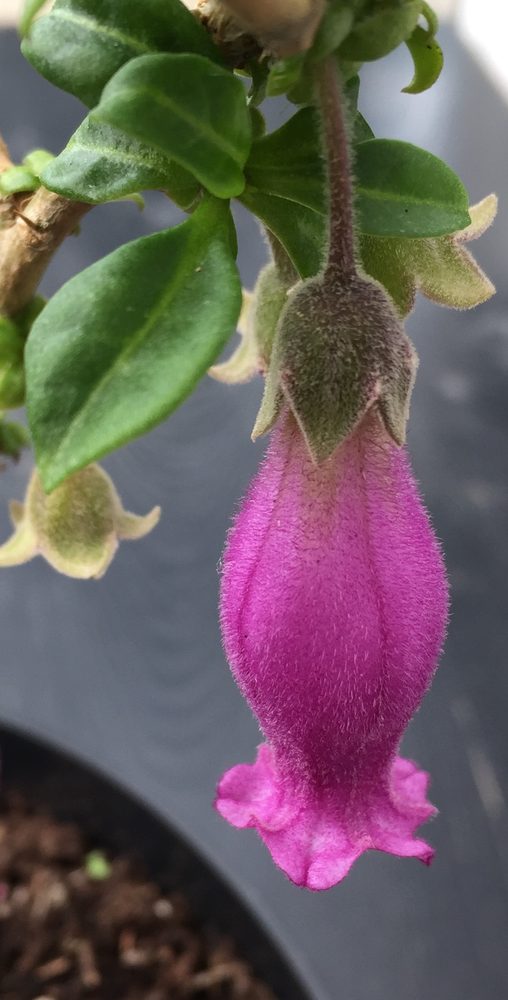
General Description
A shrub or small tree to 10 m in height, bearing attractive, magenta-to-red, hummingbird-pollinated flowers, it is extremely poisonous – hallucinogenic (deliriant) in smaller doses – due to tropane alkaloid content and is used by Chilean machi (shamans) of the Mapuche–Huilliche people in traditional medicine, as a poison and to enter trance states. Its elegant flowers and yellow tomato-like fruit are attractive enough to merit cultivation as an ornamental.
Family Context
The Solanaceae family is widely distributed worldwide. Notable medicinal members include:
- Black Nightshade — 100 documented uses
- Tobacco — 80 documented uses
- Jimsonweed — 66 documented uses
- Hindu Datura — 65 documented uses
Geographic Distribution
Latua has been recorded in Argentina, Chile, Germany, United Kingdom, and Turkey.
Active Compounds
Phytochemical research has identified 3 compounds in this species: alkaloids, atropine, scopolamine.
The identified compounds include the following categories:
- Alkaloid: nitrogenous compounds with diverse pharmacological activities
Research Status
Although this species has documented phytochemical constituents, its ethnobotanical and clinical documentation remains incomplete. The limited documentation available for this species represents an opportunity for ethnobotanical research.