Redroot

Botanical Overview

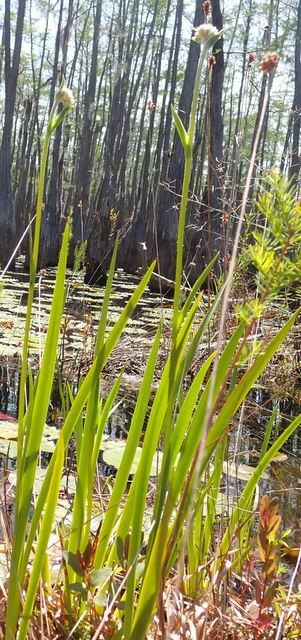
Redroot (Lachnanthes tinctoria) belongs to the Haemodoraceae family. Limited but reliable traditional records indicate this plant has recognized medicinal applications in one or more healing traditions. This species belongs to the Haemodoraceae family, a group of flowering plants.
Geographic Distribution

Redroot has been recorded in Cuba, United States, and ZZ.

Traditional Uses

Redroot has been traditionally used for respiratory conditions.

Respiratory conditions.

  • Cough
  • Pneumonia

Respiratory conditions are addressed through steam inhalation of the herb’s vapors or internal use as a warm tea. The hot infusion acts as an expectorant, helping to loosen phlegm and clear congestion. Some traditions combine it with honey for coughs.

Active Compounds

Phytochemical research has identified 12 compounds in this species, including a diverse array of phytochemical classes (see the Complete Chemical Inventory below for the full list).

The identified compounds include the following categories:

  • Flavonoid: antioxidant compounds that protect cells from oxidative damage
ⓘ Information
Information on this page is compiled from Dr. Duke’s Phytochemical and Ethnobotanical Databases (USDA ARS), a public domain resource. Consult a healthcare professional before using any herbal preparation.
⚠ Caution
Traditional records: This plant has documented uses including Poison. Self-medication with herbs carries risks including allergic reactions, drug interactions, and toxicity. Only use under the supervision of a qualified healthcare professional.

Distribution and Conservation

Reported distribution: Cuba, United States, Unknown.

Complete Use Records

CategoryCultural Context
HypnoticGerman, North America
StimulantFrench, North America
CoughNorth America
IntellectDutch
PoisonUS
PneumoniaNorth America
CardiotonicUS

Complete Chemical Inventory

CompoundFormulaMW
3,4-DIHYDROXY-5-PHENYL-NAPHTHALIC-ALEDHYDE
4-HYDROXY-3-METHOXY-5-PHENYL-1,8-NAPTHALENE-ANHYDRIDE
ALPHA-CAROTENEC₄₀H₅₆536.9 Da
CHELIDONIC-ACIDC₇H₄O₆184.10 Da
DIMETHOXY-PHENYL-NAPTHALIDES
LACHNANTHOCARPONEC₁₉H₁₂O₃288.3 Da
LACHNANTHOFLUOREN
LACHNANTHOSIDE
N-(1-CARBOXY-2-METHYL-BUTYRYL)-LACHNANTHOPYRIDONE
TETRAMETHOXY-PHENYL-NAPTHALIDES
TRIMETHOXY-PHENYL-NAPTHALIDES
TRISTEARINC₅₇H₁₁₀O₆891.5 Da

Data from PubChem (NIH/NLM, public domain).


References & Further Reading

External Research Links

Data Sources