Botanical Overview
Kennedia rubicunda is a species in the Fabaceae family. The legume family (Fabaceae) includes trees, shrubs, and herbs that produce pods (legumes) and form nitrogen-fixing root nodules through symbiosis with bacteria. The flowers are typically pea-shaped with five petals. This large family provides food staples, timber, and numerous medicinal species. Phytochemical data for this species are limited at present.
General Description
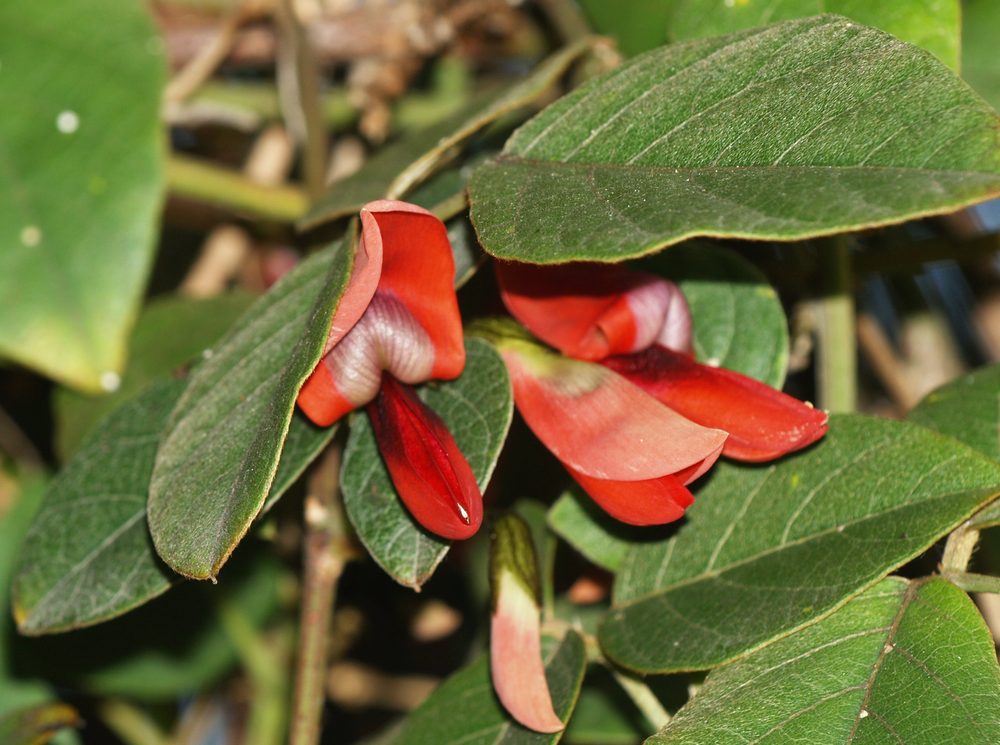
It is a twining or prostrate herb with trifoliate leaves and dark red or purple flowers.
Family Context
The Fabaceae family is large and globally distributed. Notable medicinal members include:
- Soybean — 76 documented uses
- Crab’s Eye — 73 documented uses
- Tamarind — 59 documented uses
- Common Indigo — 51 documented uses
Geographic Distribution
Kennedia rubicunda has been recorded in 10 countries and territories worldwide, including Australia, Brazil, Colombia, Germany, Finland, and others.
Active Compounds
Phytochemical research has identified 2 compounds in this species: genistein, hydroxygenistein.
Research Status
Although this species has documented phytochemical constituents, its ethnobotanical and clinical documentation remains incomplete. Further ethnobotanical and pharmacological research may reveal additional therapeutic applications for this species.