Botanical Overview
Mala madre (Kalanchoe gastonis-bonnieri) is a species in the Crassulaceae family. This species belongs to the Crassulaceae family, a group of flowering plants. Although comprehensive ethnobotanical records are limited, phytochemical studies have identified 7 compounds in this species, suggesting potential medicinal value.
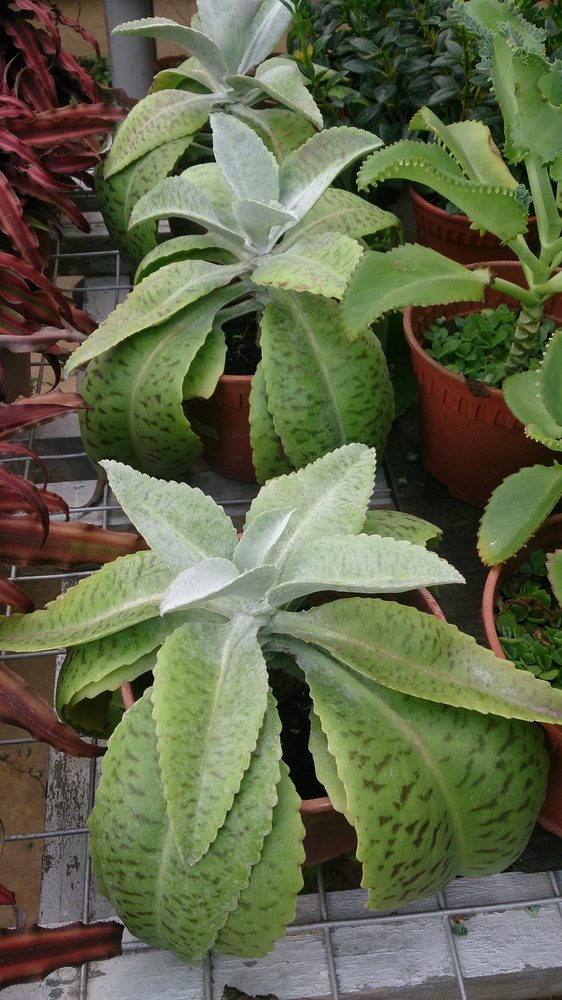
General Description
They are called “palm beachbells” or “donkey ear plants” as they have leaves resembling the shape of a donkey’s ear. K. gastonis-bonnieri have thick green leaves more or less with brownish spots and often form plantlets at leaf tips. It may be confused with K. suarezensis and K. mortagei, whose leaves have no spots.
Family Context
The Crassulaceae family is widely distributed. Notable medicinal members include:
- Air Plant — 7 documented uses
Geographic Distribution
Mala madre has been recorded in 10 countries and territories worldwide, including Australia, Brazil, Colombia, Ecuador, Hong Kong, and others.
Active Compounds
Phytochemical research has identified 7 compounds in this species, including a diverse array of phytochemical classes (see the Complete Chemical Inventory below for the full list).
The identified compounds include the following categories:
- Phenolic: antioxidant compounds that neutralize free radicals
- Sterol: cholesterol-like compounds with anti-inflammatory properties
- Tannin: astringent compounds that tighten tissues and resist infection
Research Status
Although this species has documented phytochemical constituents, its ethnobotanical and clinical documentation remains incomplete. Further ethnobotanical and pharmacological research may reveal additional therapeutic applications for this species.