Botanical Overview
Gandarussa (Justicia gendarussa) is a flowering plant in the Acanthaceae family. Traditional medicine systems have documented several valuable applications for this species, supported by its observed therapeutic effects. The acanthus family (Acanthaceae) includes herbs and shrubs with opposite leaves and showy, two-lipped flowers with prominent bracts. The fruits are explosive capsules that eject seeds when mature. Many species contain alkaloids and have traditional medicinal uses.
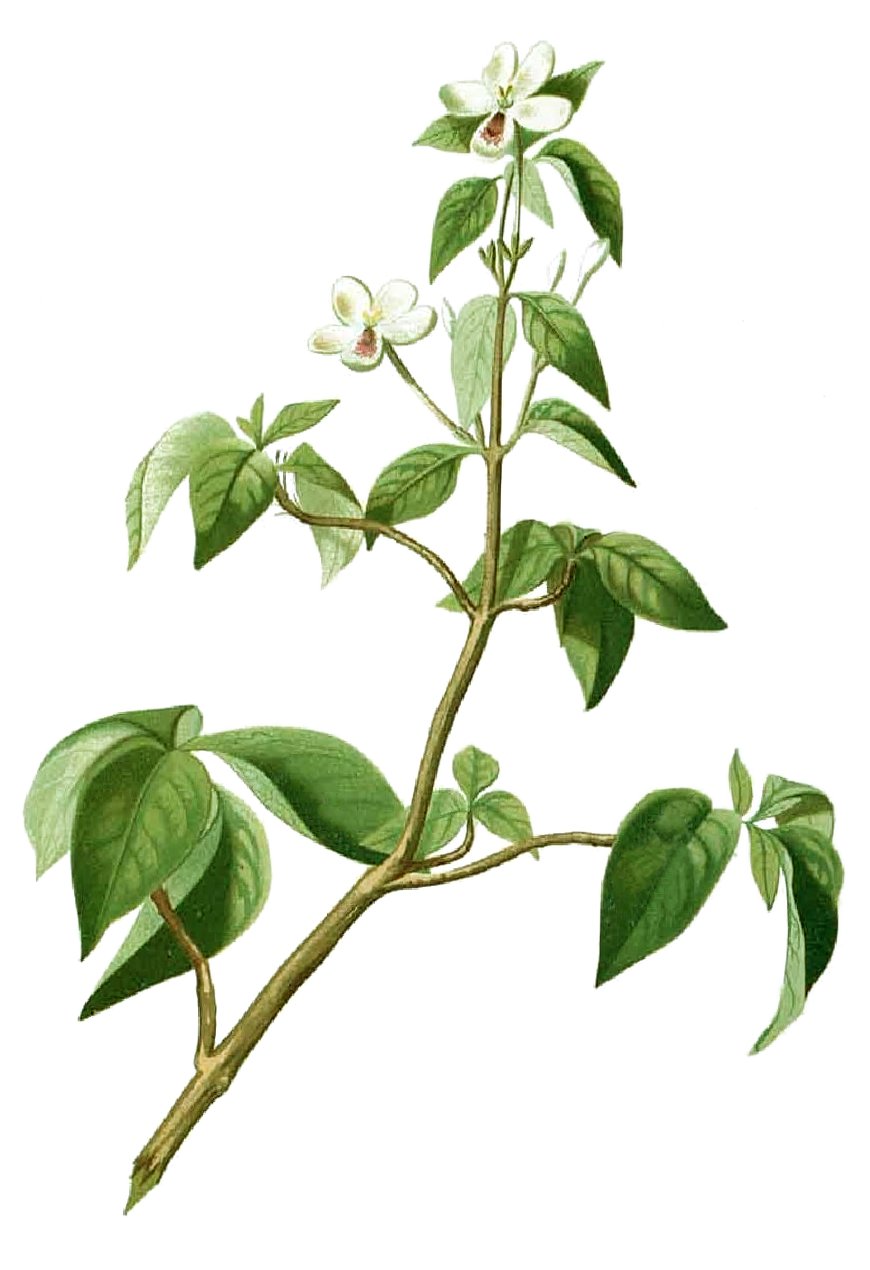
General Description
According to Plants of the World Online it is native to the Indian subcontinent (India, Bangladesh, Sri Lanka, and Bhutan), Indochina, Peninsular Malaysia, Sumatra, the Philippines, and New Guinea, and has been introduced to Nepal, the western Himalayas, Pakistan, southern China including Hainan and Taiwan, eastern Africa, and the Mascarene Islands, Comoro Islands, and Seychelles. It has been described as rare and endemic to India, though those claims are at least confusing, in the context of statements that the plant is widely used in various forms for many of its medicinal and insecticidal properties, and that it is a quick-growing, evergreen forest shrub considered to be a native of China and distributed in Sri Lanka, India and Malaysia. J. gendarussa is harvested for its leaves for the treatment of various ailments. It is said to be useful for the treatment of asthma, rheumatism and colics of children. Used as a treatment for skin problems like eczema. It may have the potential to be the basis for a birth control pill for men. Clinical tests are being conducted in Indonesia. The plant has shown promise as a source of a compound that inhibits an enzyme crucial to the development of HIV.
Family Context
The Acanthaceae family is widely distributed. Notable medicinal members include:
- Creat — 35 documented uses
- Justicia procumbens — 28 documented uses
- Angel Of Death — 19 documented uses
- Ruellia tuberosa — 19 documented uses
Traditional Uses
Gandarussa has been traditionally used for digestive health, urinary tract health, and pain and inflammation, among other applications.
Digestive health.
- Carminative
- Colic
- Diarrhea
For digestive complaints, the herb is typically prepared as a tea or decoction taken before meals. The bitter compounds stimulate digestive secretions and improve nutrient absorption. Some traditions use the powdered root or leaves in small doses as a stomachic tonic.
Urinary tract health.
- Diuretic
- Edema
Urinary tract applications typically involve drinking the herb as a mild tea, which increases urine production and helps flush the urinary system. It may be combined with other demulcent herbs to soothe irritated tissues.
Pain and inflammation.
- Rheumatism
- Anodyne
For pain and inflammation, preparations are applied both topically as compresses and taken internally. A warm poultice draws blood to the area and promotes healing, while internal preparations address systemic inflammation.
Active Compounds
Phytochemical research has identified 5 compounds in this species, including a diverse array of phytochemical classes (see the Complete Chemical Inventory below for the full list).
The identified compounds include the following categories:
- Sterol: cholesterol-like compounds with anti-inflammatory properties
- Alkaloid: nitrogenous compounds with diverse pharmacological activities