Botanical Overview
Sabine (Juniperus sabina) belongs to the Cupressaceae family. Limited but reliable traditional records indicate this plant has recognized medicinal applications in one or more healing traditions. This species belongs to the Cupressaceae family, a group of flowering plants.
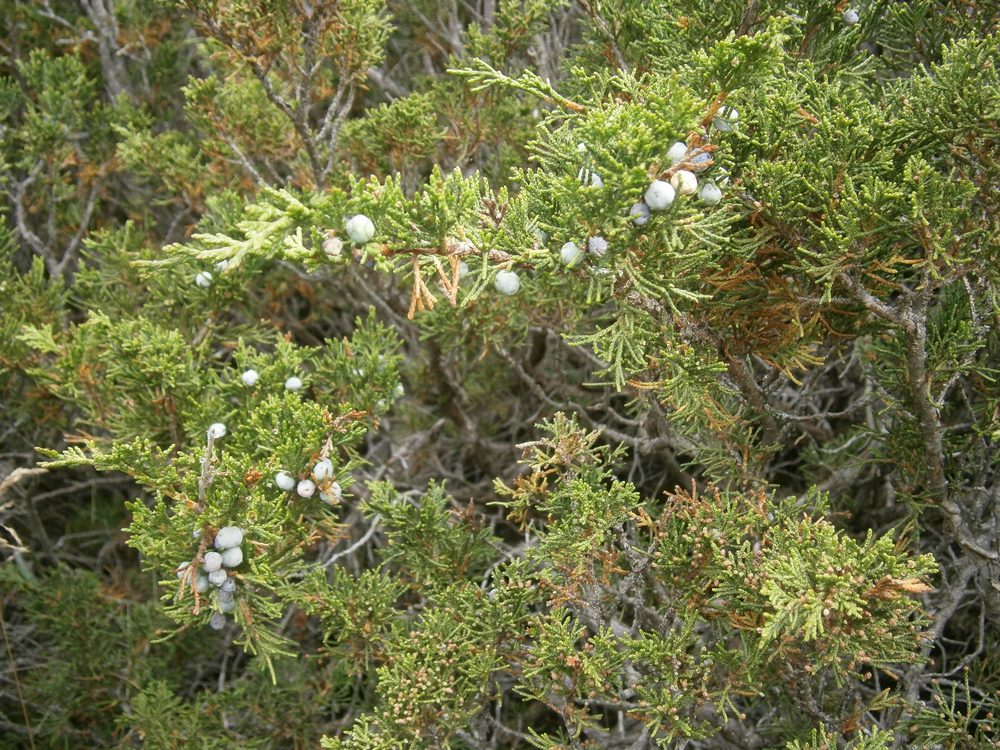
General Description
Juniperus sabina, the savin juniper or savin, is a species of juniper native to the mountains of central and southern Europe and western and central Asia, from Spain to eastern Siberia, typically growing at elevations of 1,000–3,300 metres (3,300–10,800 feet).
Family Context
The Cupressaceae family is widely distributed. Notable medicinal members include:
- Common Juniper — 41 documented uses
- Arbor-Vitae — 36 documented uses
- Cade Oil — 21 documented uses
- Red Cedar — 16 documented uses
Traditional Uses
Sabine has been traditionally used for digestive health, urinary tract health, and reproductive health, among other applications.
Digestive health.
- Vermifuge
For digestive complaints, the herb is typically prepared as a tea or decoction taken before meals. The bitter compounds stimulate digestive secretions and improve nutrient absorption. Some traditions use the powdered root or leaves in small doses as a stomachic tonic.
Urinary tract health.
- Diuretic
Urinary tract applications typically involve drinking the herb as a mild tea, which increases urine production and helps flush the urinary system. It may be combined with other demulcent herbs to soothe irritated tissues.
Reproductive health.
- Abortifacient
- Emmenagogue
In traditional contexts, reproductive health applications typically involve internal preparations such as teas or decoctions. The herb may be taken at specific times during the menstrual cycle.
Active Compounds
Phytochemical research has identified 30 compounds in this species, including a diverse array of phytochemical classes (see the Complete Chemical Inventory below for the full list).
The identified compounds include the following categories:
- Alkaloid: nitrogenous compounds with diverse pharmacological activities