Botanical Overview
Juniperus horizontalis belongs to the Cupressaceae family. Limited but reliable traditional records indicate this plant has recognized medicinal applications in one or more healing traditions. This species belongs to the Cupressaceae family, a group of flowering plants.
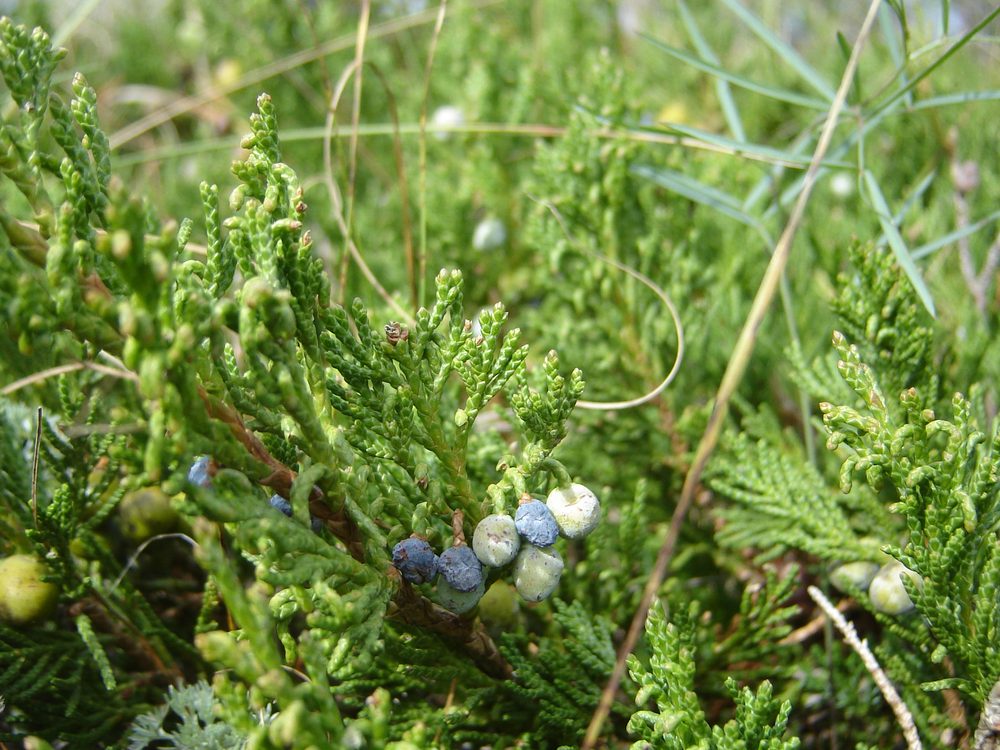
General Description
Juniperus horizontalis, the creeping juniper or creeping cedar, is a low-growing shrubby juniper native to northern North America, throughout most of Canada from Yukon east to Newfoundland, and in some of the northern United States.
Family Context
The Cupressaceae family is widely distributed. Notable medicinal members include:
- Common Juniper — 41 documented uses
- Arbor-Vitae — 36 documented uses
- Cade Oil — 21 documented uses
- Red Cedar — 16 documented uses
Geographic Distribution
Juniperus horizontalis has been recorded in 10 countries and territories worldwide, including Belgium, Canada, Germany, Spain, France, and others.
Traditional Uses
Juniperus horizontalis has been traditionally used for urinary tract health.
Urinary tract health.
- Kidney
Urinary tract applications typically involve drinking the herb as a mild tea, which increases urine production and helps flush the urinary system. It may be combined with other demulcent herbs to soothe irritated tissues.
Active Compounds
Phytochemical research has identified 1 compound in this species: betulin.