Botanical Overview
Bataua (Jessenia bataua) belongs to the Arecaceae family. Limited but reliable traditional records indicate this plant has recognized medicinal applications in one or more healing traditions. The palm family (Arecaceae) includes trees, shrubs, and climbers with unbranched stems topped by a crown of large, compound, evergreen leaves. The flowers are small and clustered on branched inflorescences, and the fruits are typically drupes. Palms provide oils, waxes, and other useful products.
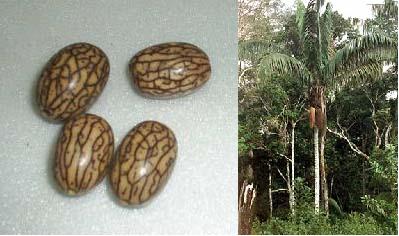
General Description
The tree produces edible fruits rich in high-quality oil.
Family Context
The Arecaceae family is primarily tropical and subtropical. Notable medicinal members include:
- Coconut — 93 documented uses
- Betel Nut — 52 documented uses
- Date Palm — 42 documented uses
- Dragon’s Blood — 13 documented uses
Geographic Distribution
Bataua has been recorded in 10 countries and territories worldwide, including Bolivia, Brazil, Colombia, Ecuador, French Guiana, and others.
Traditional Uses
Bataua has been traditionally used for respiratory conditions.
Respiratory conditions.
- Asthma
- Cough
Respiratory conditions are addressed through steam inhalation of the herb’s vapors or internal use as a warm tea. The hot infusion acts as an expectorant, helping to loosen phlegm and clear congestion. Some traditions combine it with honey for coughs.