Botanical Overview
Ololiuqui (Ipomoea violacea) belongs to the Convolvulaceae family. Limited but reliable traditional records indicate this plant has recognized medicinal applications in one or more healing traditions. This species belongs to the Convolvulaceae family, a group of flowering plants.
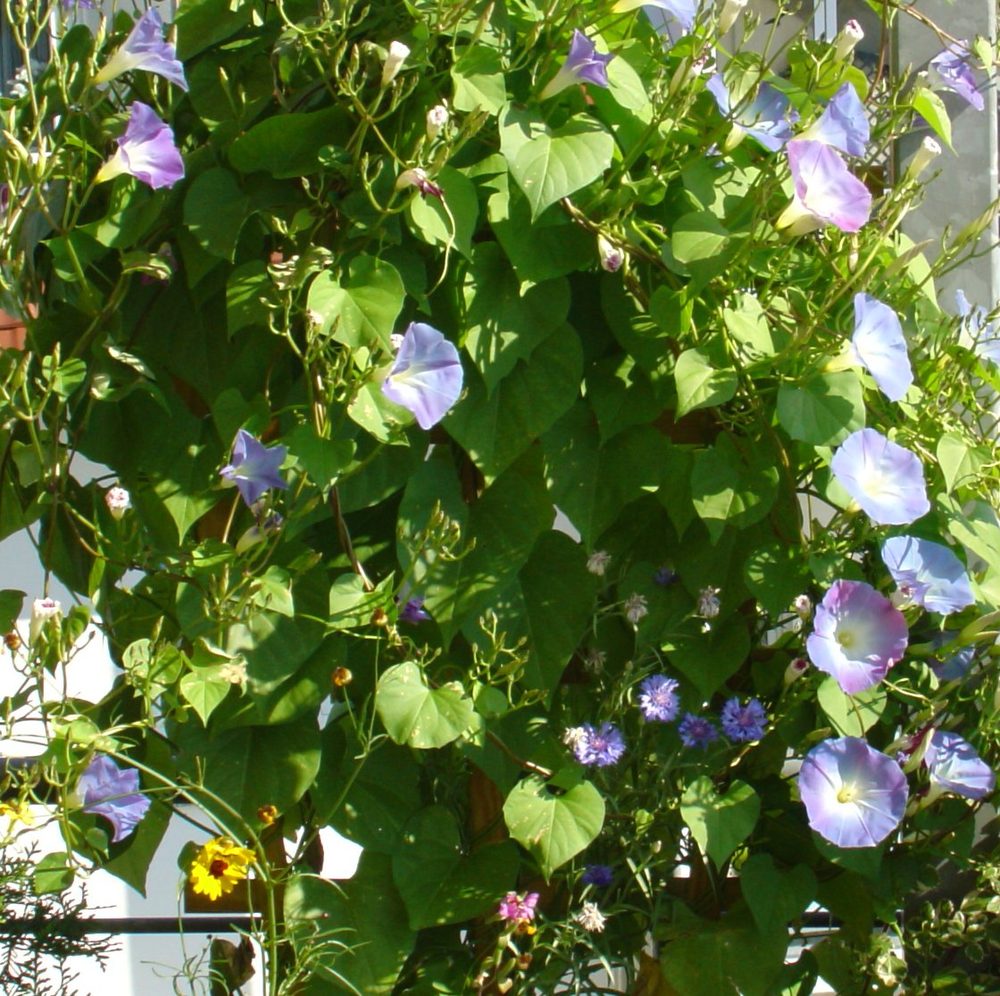
General Description
It is most commonly called beach moonflower or sea moonflower as the flowers open at night.
Family Context
The Convolvulaceae family is widely distributed. Notable medicinal members include:
- Sweet Potato — 22 documented uses
- Elephant Creeper — 16 documented uses
- Snakeplant — 14 documented uses
- Swamp Cabbage — 11 documented uses
Geographic Distribution
Ololiuqui has been recorded in 10 countries and territories worldwide, including Australia, India, Kiribati, Cayman Islands, Marshall Islands, and others.
Active Compounds
Phytochemical research has identified 6 compounds in this species, including a diverse array of phytochemical classes (see the Complete Chemical Inventory below for the full list).
The identified compounds include the following categories:
- Alkaloid: nitrogenous compounds with diverse pharmacological activities