Botanical Overview
Inonotus obliquus is a species in the family. This species belongs to the family, a group of flowering plants. Although comprehensive ethnobotanical records are limited, phytochemical studies have identified 30 compounds in this species, suggesting potential medicinal value.
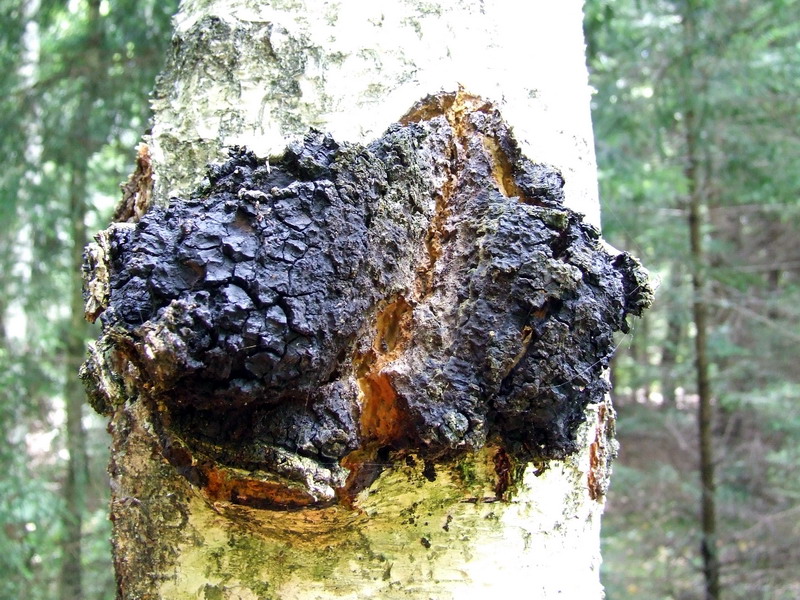
General Description
It is parasitic on birch and other trees. The sterile conk is irregularly formed and resembles burnt charcoal. It is not the fruiting body of the fungus, but a sclerotium or mass of mycelium, mostly black because of a substantial amount of melanin. It is commonly marketed as a dietary supplement for various health benefits but lacks sufficient scientific evidence for safety or effectiveness, and quality can vary due to inconsistent processing and labeling.
Geographic Distribution
Inonotus obliquus has been recorded in 10 countries and territories worldwide, including Canada, Germany, Denmark, Finland, United Kingdom, and others.
Active Compounds
Phytochemical research has identified 30 compounds in this species, including a diverse array of phytochemical classes (see the Complete Chemical Inventory below for the full list).
The identified compounds include the following categories:
- Terpene: aromatic compounds with anti-inflammatory and antimicrobial properties
- Sterol: cholesterol-like compounds with anti-inflammatory properties
Research Status
Although this species has documented phytochemical constituents, its ethnobotanical and clinical documentation remains incomplete. The limited documentation available for this species represents an opportunity for ethnobotanical research.