Botanical Overview
Garden balsam (Impatiens balsamina) is a flowering plant in the Balsaminaceae family. This plant has earned a place in traditional medicine through its consistent therapeutic benefits, recorded across multiple cultures. This species belongs to the Balsaminaceae family, a group of flowering plants.
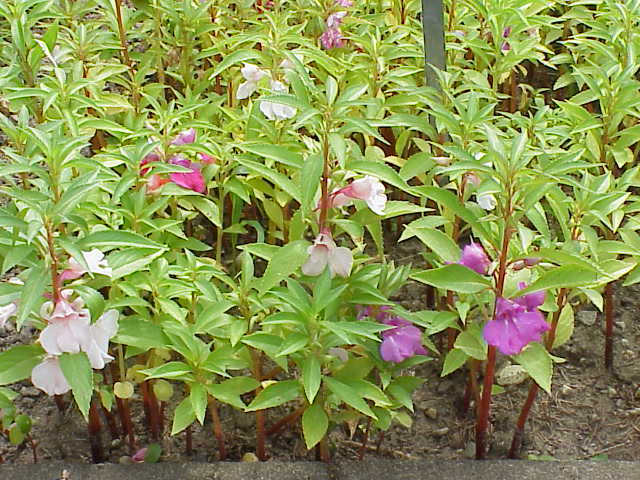
General Description
It is an annual plant growing to 20–75 cm tall, with a thick, but soft stem. The leaves are spirally-arranged, 2. 5–9 cm long and 1–2. 5 cm broad, with a deeply toothed margin. The flowers are pink, red, mauve, purple, lilac, or white, and 2. 5–5 cm diameter; they are pollinated by bees and other insects, and also by nectar-feeding birds. The ripe seed capsules undergo explosive dehiscence.
Geographic Distribution
Garden balsam has been recorded in 10 countries and territories worldwide, including Brazil, China, France, Indonesia, India, and others.
Traditional Uses
Garden balsam has been traditionally used for digestive health, skin and wound care, and urinary tract health, among other applications.
Digestive health.
- Laxative
For digestive complaints, the herb is typically prepared as a tea or decoction taken before meals. The bitter compounds stimulate digestive secretions and improve nutrient absorption. Some traditions use the powdered root or leaves in small doses as a stomachic tonic.
Skin and wound care.
- Sore
- Wound
For skin conditions, the fresh or dried plant is applied topically as a poultice, wash, or compress. A strong decoction can be used to clean wounds and sores. The antimicrobial properties help prevent infection while promoting tissue repair.
Urinary tract health.
- Diuretic
Urinary tract applications typically involve drinking the herb as a mild tea, which increases urine production and helps flush the urinary system. It may be combined with other demulcent herbs to soothe irritated tissues.
Active Compounds
Phytochemical research has identified 3 compounds in this species: 2-methoxy-1,4-napthoquinone, balsaminone-a, balsaminone-b.
The identified compounds include the following categories:
- Alkaloid: nitrogenous compounds with diverse pharmacological activities