Botanical Overview
Wild Hops (Hyptis suaveolens) is a flowering plant in the Lamiaceae family. The traditional uses of this species reflect its genuine medicinal value, validated by generations of practical experience. The mint family (Lamiaceae) includes aromatic herbs and shrubs with square stems, opposite leaves, and two-lipped flowers. Many species produce essential oils in glandular trichomes on their leaves and stems. This family is one of the most important sources of culinary and medicinal herbs worldwide.
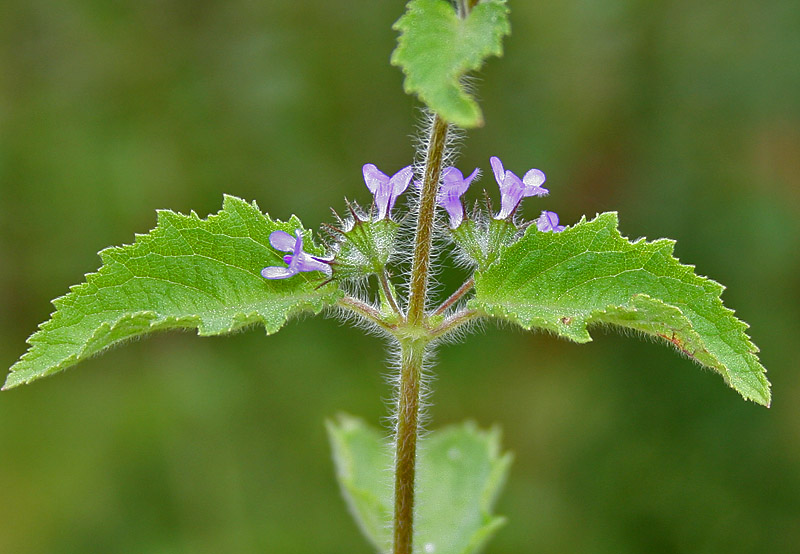
General Description
It is generally 1–1. 5 m (3. 3–4. 9 ft) tall, occasionally up to 3 m (9. 8 ft). Stems are hairy, and square in cross section. Leaves are oppositely arranged, 2–10 cm (0. 79–3. 94 in) long, with shallowly toothed margins, and emit a strong minty odor if crushed. Flowers are pink or purple, arranged in clusters of 1–5 in the upper leaf axils.
Family Context
The Lamiaceae family is large and widely distributed. Notable medicinal members include:
- Basil — 86 documented uses
- Rosemary — 60 documented uses
- Agbo — 54 documented uses
- Sage — 49 documented uses
Geographic Distribution
Wild Hops has been recorded in 10 countries and territories worldwide, including Benin, Brazil, China, Costa Rica, Indonesia, and others.
Traditional Uses
Wild Hops has been traditionally used for digestive health, respiratory conditions, and pain and inflammation, among other applications.
Digestive health.
- Carminative
- Ache(Stomach)
- Stomachic
For digestive complaints, the herb is typically prepared as a tea or decoction taken before meals. The bitter compounds stimulate digestive secretions and improve nutrient absorption. Some traditions use the powdered root or leaves in small doses as a stomachic tonic.
Respiratory conditions.
- Catarrh
- Expectorant
- Cold
Respiratory conditions are addressed through steam inhalation of the herb’s vapors or internal use as a warm tea. The hot infusion acts as an expectorant, helping to loosen phlegm and clear congestion. Some traditions combine it with honey for coughs.
Pain and inflammation.
- Ache(Head)
For pain and inflammation, preparations are applied both topically as compresses and taken internally. A warm poultice draws blood to the area and promotes healing, while internal preparations address systemic inflammation.
Active Compounds
Phytochemical research has identified 30 compounds in this species, including a diverse array of phytochemical classes (see the Complete Chemical Inventory below for the full list).
The identified compounds include the following categories:
- Alkaloid: nitrogenous compounds with diverse pharmacological activities