Botanical Overview
Hypericum androsaemum belongs to the Clusiaceae family. Limited but reliable traditional records indicate this plant has recognized medicinal applications in one or more healing traditions. The garcinia family (Clusiaceae) includes trees and shrubs with opposite, leathery leaves and resinous sap that is often yellow. The flowers are typically showy with numerous stamens, and the fruits are often fleshy capsules. Many species produce xanthones and polycyclic polyprenylated acylphloroglucinols (PPAPs) with significant biological activity.
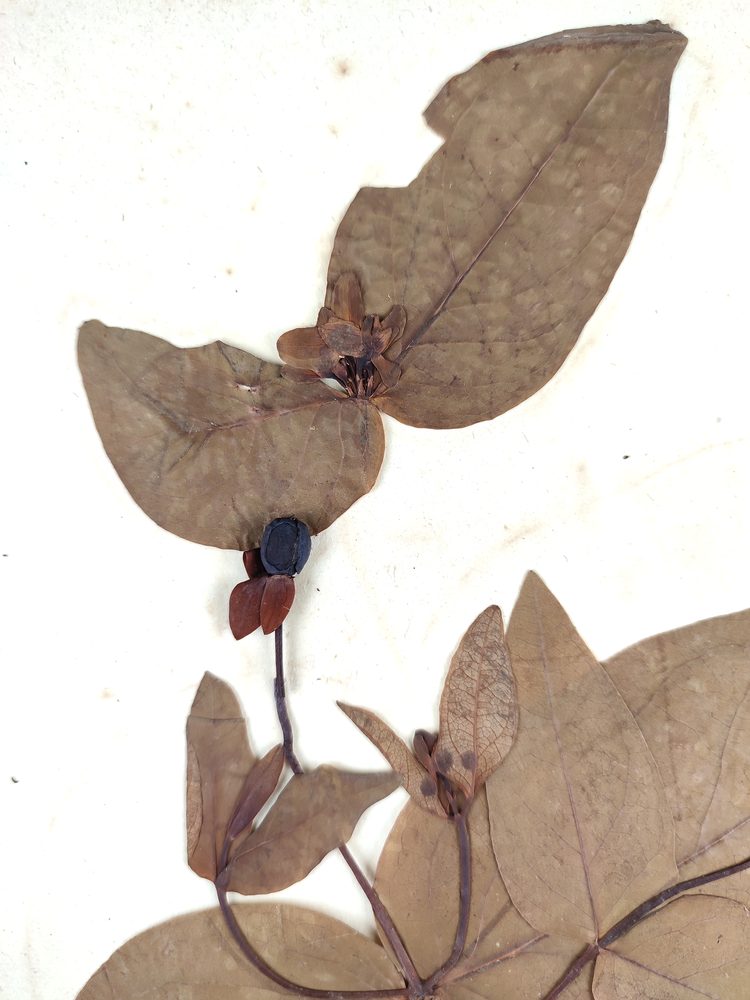
General Description
John’s wort, is a species of flowering plant in the family Hypericaceae. It is commonly called tutsan or sweet-amber. It forms a shrub with oval-shaped leaves and yellow flowers. The species has been known since before the modern system of taxonomy was developed, and was first described by Carl Linnaeus in 1763. Since then, it has been invalidly published under several synonyms, and was repeatedly placed in its own genus named Androsaemum. When Norman Robson published his monograph of the genus Hypericum in 1996, the species was definitively placed within Hypericum sect. Androsaemum, a small section including several other closely related species. The species is native to Western Europe, North Africa and the Middle East, but has been introduced elsewhere in temperate areas with high rainfall, including Australia and New Zealand. In these countries, it is often considered a noxious weed. The plant is easily dispersed across wide ranges because of its small and numerous seeds, and methods for biological control are required to manage the species. It is cultivated as an ornamental plant because of its striking red-tinted foliage, bright yellow petals, and its large clusters of fruit. Cultivars like ‘Albury Purple’ and ‘Golden Tutsan’ have leaves with more pronounced purple and golden coloring, respectively.
Family Context
The Clusiaceae family is primarily tropical. Notable medicinal members include:
- Common St. Johnswort — 36 documented uses
- Mamey — 23 documented uses
- Mesua ferrea — 16 documented uses
- Mangosteen — 13 documented uses
Geographic Distribution
Hypericum androsaemum has been recorded in 10 countries and territories worldwide, including Australia, Belgium, Switzerland, Spain, France, and others.
Traditional Uses
Hypericum androsaemum has been traditionally used for digestive health and urinary tract health.
Digestive health.
- Stomachic
For digestive complaints, the herb is typically prepared as a tea or decoction taken before meals. The bitter compounds stimulate digestive secretions and improve nutrient absorption. Some traditions use the powdered root or leaves in small doses as a stomachic tonic.
Urinary tract health.
- Diuretic
Urinary tract applications typically involve drinking the herb as a mild tea, which increases urine production and helps flush the urinary system. It may be combined with other demulcent herbs to soothe irritated tissues.
Active Compounds
Phytochemical research has identified 1 compound in this species: betulinic-acid.