Botanical Overview
Hygrophila auriculata belongs to the Acanthaceae family. Limited but reliable traditional records indicate this plant has recognized medicinal applications in one or more healing traditions. The acanthus family (Acanthaceae) includes herbs and shrubs with opposite leaves and showy, two-lipped flowers with prominent bracts. The fruits are explosive capsules that eject seeds when mature. Many species contain alkaloids and have traditional medicinal uses.
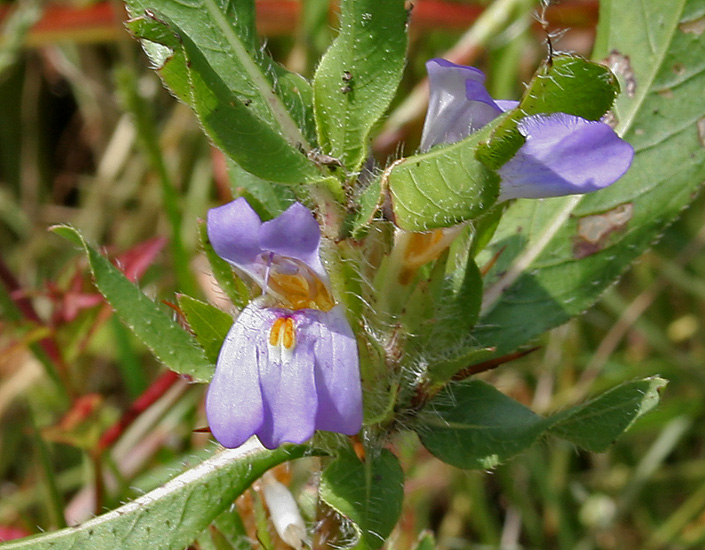
General Description
In India it is commonly known as kokilaksha or gokulakanta, in Sri Lanka as neeramulli. In Kerala and Tamil Nadu it is called vayalchulli (വയൽച്ചുളളി) and Neermulli (நீர்முள்ளி) respectively, and in the Telugu states, it is known as Godugu-gaddi (గొడుగుగడ్డి) or Gruddi-kamanchi (గ్రుడ్డికామంచి).
Family Context
The Acanthaceae family is widely distributed. Notable medicinal members include:
- Creat — 35 documented uses
- Gandarussa — 33 documented uses
- Justicia procumbens — 28 documented uses
- Angel Of Death — 19 documented uses
Geographic Distribution
Hygrophila auriculata has been recorded in 10 countries and territories worldwide, including Burkina Faso, Benin, Congo (DRC), Cameroon, Ethiopia, and others.
Traditional Uses
Hygrophila auriculata has been traditionally used for urinary tract health and pain and inflammation.
Urinary tract health.
- Diuretic
Urinary tract applications typically involve drinking the herb as a mild tea, which increases urine production and helps flush the urinary system. It may be combined with other demulcent herbs to soothe irritated tissues.
Pain and inflammation.
- Rheumatism
For pain and inflammation, preparations are applied both topically as compresses and taken internally. A warm poultice draws blood to the area and promotes healing, while internal preparations address systemic inflammation.
Active Compounds
Phytochemical research has identified 1 compound in this species: betulin.