Botanical Overview
Sallow Thorn (Hippophae rhamnoides) belongs to the Elaeagnaceae family. While not among the most extensively documented medicinal plants, this species has recorded uses that warrant attention from researchers and practitioners. This species belongs to the Elaeagnaceae family, a group of flowering plants.
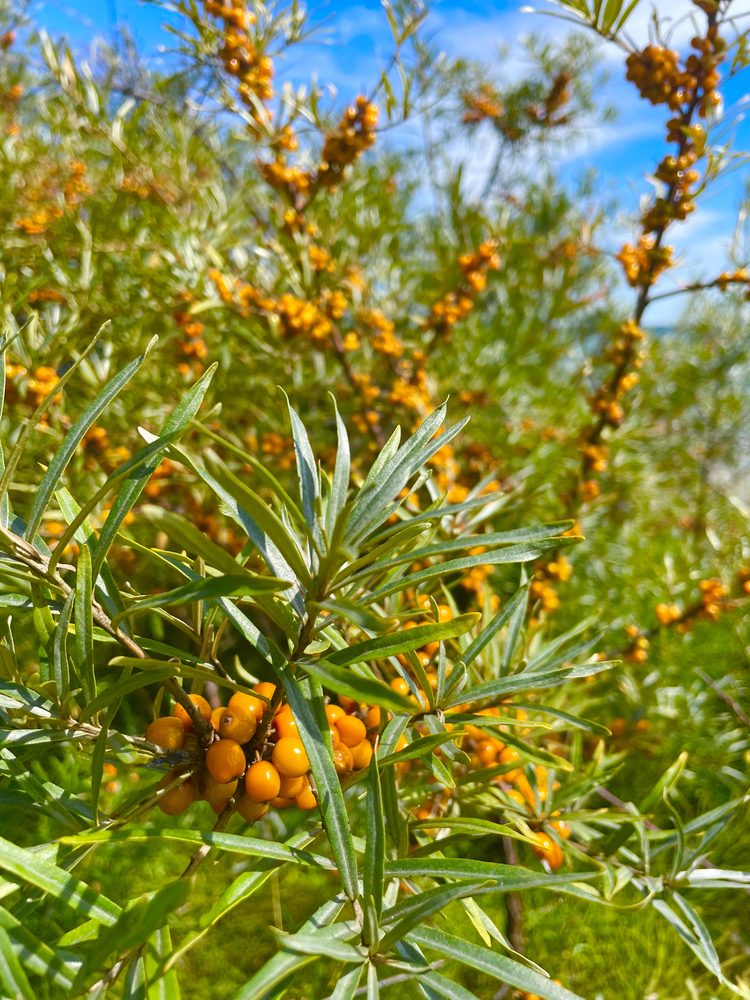
General Description
It is a spiny deciduous shrub. The fruit has culinary uses, while its extracts, including its oil, are used in the cosmetics industry and within traditional medicine. It is also used as animal fodder, in horticulture, and for ecological purposes.
Family Context
The Elaeagnaceae family is widely distributed. Notable medicinal members include:
- Thorny Silver Berry — 7 documented uses
- Russian Olive — 3 documented uses
Geographic Distribution
Sallow Thorn has been recorded in 10 countries and territories worldwide, including Belgium, Switzerland, Germany, Denmark, Finland, and others.
Traditional Uses
Sallow Thorn has been traditionally used for digestive health, skin and wound care, and immune system support.
Digestive health.
- Ache(Stomach)
- Diarrhea
For digestive complaints, the herb is typically prepared as a tea or decoction taken before meals. The bitter compounds stimulate digestive secretions and improve nutrient absorption. Some traditions use the powdered root or leaves in small doses as a stomachic tonic.
Skin and wound care.
- Eruption
- Skin
For skin conditions, the fresh or dried plant is applied topically as a poultice, wash, or compress. A strong decoction can be used to clean wounds and sores. The antimicrobial properties help prevent infection while promoting tissue repair.
Immune system support.
- Tumor
Immune support involves taking the herb as a decoction or tincture over extended periods. The active compounds stimulate immune cell activity and provide antimicrobial protection.
Active Compounds
Phytochemical research has identified 30 compounds in this species, including a diverse array of phytochemical classes (see the Complete Chemical Inventory below for the full list).
The identified compounds include the following categories:
- Flavonoid: antioxidant compounds that protect cells from oxidative damage
- Sterol: cholesterol-like compounds with anti-inflammatory properties
- Alkaloid: nitrogenous compounds with diverse pharmacological activities