Botanical Overview
Sweet Grass (Hierochloe odorata) belongs to the Poaceae family. While not among the most extensively documented medicinal plants, this species has recorded uses that warrant attention from researchers and practitioners. The grass family (Poaceae) includes annual and perennial herbs with hollow, jointed stems and narrow leaves with parallel venation. The flowers are reduced and arranged in spikelets, and the fruits are grains (caryopses). This family provides the majority of the world’s food calories through cereals.
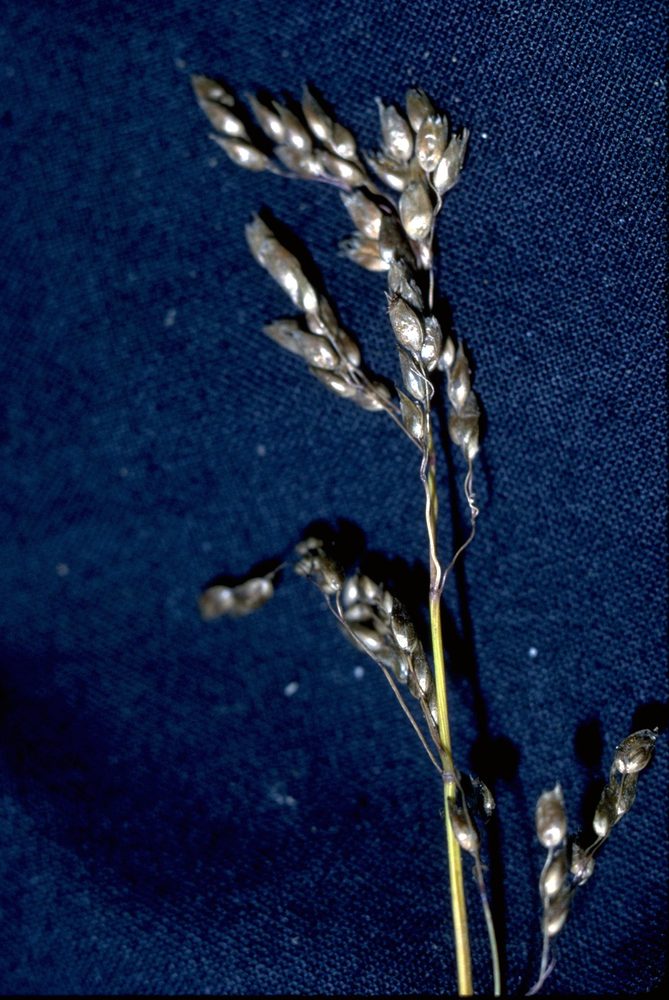
General Description
g. by Polish vodka producers) is an aromatic herb native to northern Eurasia and North America. It is considered sacred by many Indigenous peoples in Canada and the United States. It is used as a smudge in herbal medicine and in the production of distilled beverages (e. g. , Żubrówka, Wisent). It owes its distinctive sweet scent to the presence of coumarin. This variety of grass is distinct from the species commonly known as buffalo grass in Australia and the United States (Stenotaphrum secundatum and Bouteloua dactyloides, respectively).
Family Context
The Poaceae family is very large and globally distributed. Notable medicinal members include:
- Adlay — 54 documented uses
- Corn — 51 documented uses
- Rice — 47 documented uses
- West Indian Lemongrass — 43 documented uses
Traditional Uses
Sweet Grass has been traditionally used for respiratory conditions, pain and inflammation, and fever management.
Respiratory conditions.
- Cold
Respiratory conditions are addressed through steam inhalation of the herb’s vapors or internal use as a warm tea. The hot infusion acts as an expectorant, helping to loosen phlegm and clear congestion. Some traditions combine it with honey for coughs.
Pain and inflammation.
- Anodyne
For pain and inflammation, preparations are applied both topically as compresses and taken internally. A warm poultice draws blood to the area and promotes healing, while internal preparations address systemic inflammation.
Fever management.
- Fever
Febrifuge preparations are typically administered as hot teas to induce perspiration, which helps the body regulate temperature. The patient is kept warm and encouraged to rest while the herb promotes sweating.
Active Compounds
Phytochemical research has identified 5 compounds in this species, including a diverse array of phytochemical classes (see the Complete Chemical Inventory below for the full list).
The identified compounds include the following categories:
- Flavonoid: antioxidant compounds that protect cells from oxidative damage
- Coumarin: aromatic compounds with anticoagulant and anti-inflammatory effects