Botanical Overview
Indian Sarsaparilla (Hemidesmus indicus) is a flowering plant in the Asclepiadaceae family. Traditional medicine systems have documented several valuable applications for this species, supported by its observed therapeutic effects. This species belongs to the Asclepiadaceae family, a group of flowering plants.
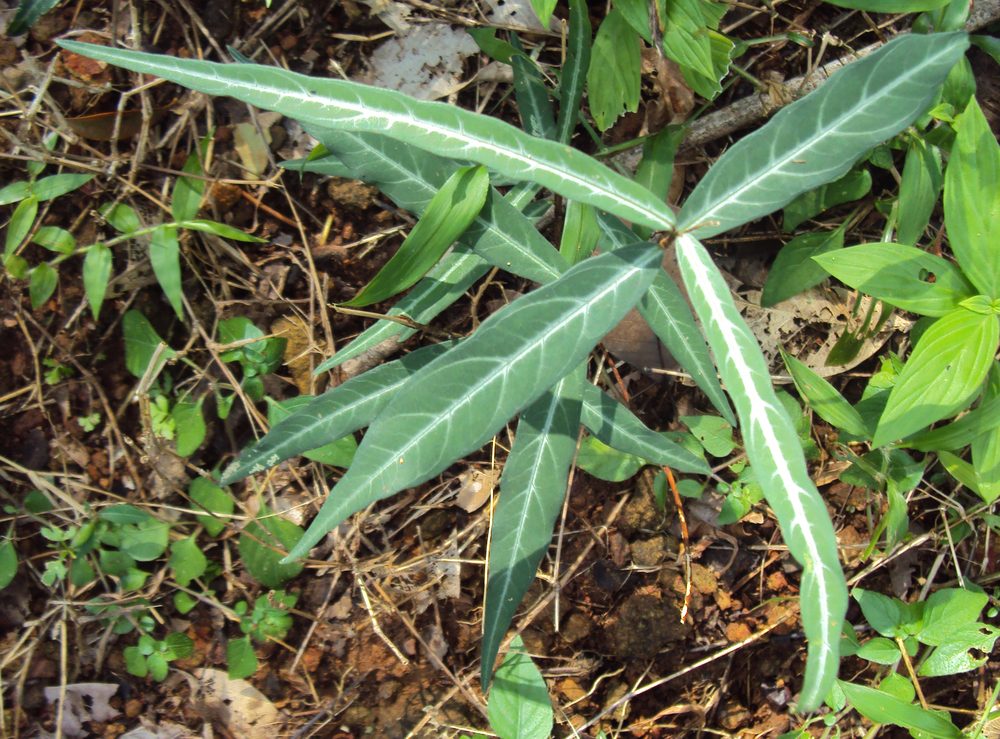
General Description
It occurs over the greater part of India, from the upper Gangetic plain eastwards to Assam and in some places in central, western and South India. The root is a substitute for sarsaparilla (the dried root of the tropical species of Smilax, Smilacaceae; in India Smilax aspera L. , and Smilax ovalifolia Roxb. ). It should be distinguished from Mexican sarsaparilla Smilax aristolochiifolia Mill. and Jamaican sarsaparilla Smilax ornata Hook. f.
Family Context
The Asclepiadaceae family is widely distributed. Notable medicinal members include:
- Milkweed — 27 documented uses
- Gymnema — 15 documented uses
- Swallowwort — 14 documented uses
- Bai-Wei — 8 documented uses
Traditional Uses
Indian Sarsaparilla has been traditionally used for urinary tract health, pain and inflammation, and reproductive health, among other applications.
Urinary tract health.
- Diuretic
- Gravel
Urinary tract applications typically involve drinking the herb as a mild tea, which increases urine production and helps flush the urinary system. It may be combined with other demulcent herbs to soothe irritated tissues.
Pain and inflammation.
- Inflammation
- Rheumatism
For pain and inflammation, preparations are applied both topically as compresses and taken internally. A warm poultice draws blood to the area and promotes healing, while internal preparations address systemic inflammation.
Reproductive health.
- Syphilis
In traditional contexts, reproductive health applications typically involve internal preparations such as teas or decoctions. The herb may be taken at specific times during the menstrual cycle.
Active Compounds
Phytochemical research has identified 18 compounds in this species, including a diverse array of phytochemical classes (see the Complete Chemical Inventory below for the full list).
The identified compounds include the following categories:
- Sterol: cholesterol-like compounds with anti-inflammatory properties
- Alkaloid: nitrogenous compounds with diverse pharmacological activities
- Tannin: astringent compounds that tighten tissues and resist infection