Botanical Overview
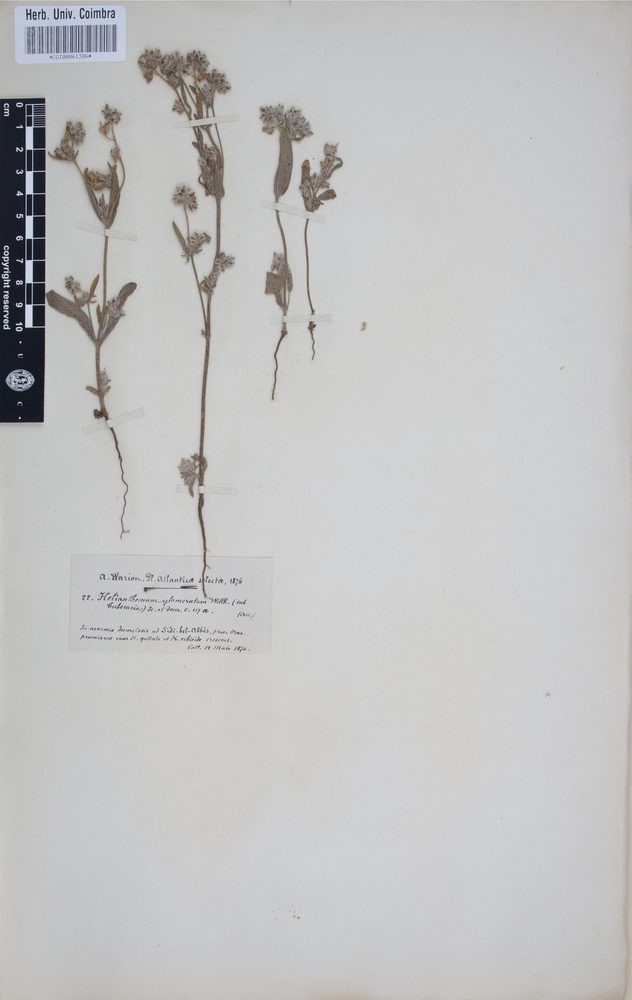
Helianthemum glomeratum belongs to the Cistaceae family. Limited but reliable traditional records indicate this plant has recognized medicinal applications in one or more healing traditions. This species belongs to the Cistaceae family, a group of flowering plants.
Family Context
The Cistaceae family is widely distributed. Notable medicinal members include:
- Ambreine — 13 documented uses
Geographic Distribution
Helianthemum glomeratum has been recorded in Costa Rica, Algeria, Guatemala, Mexico, and United States.
Traditional Uses
Helianthemum glomeratum has been traditionally used for digestive health.
Digestive health.
- Diarrhea
- Dyspepsia
For digestive complaints, the herb is typically prepared as a tea or decoction taken before meals. The bitter compounds stimulate digestive secretions and improve nutrient absorption. Some traditions use the powdered root or leaves in small doses as a stomachic tonic.
Active Compounds
Phytochemical research has identified 4 compounds in this species, including a diverse array of phytochemical classes (see the Complete Chemical Inventory below for the full list).
The identified compounds include the following categories:
- Flavonoid: antioxidant compounds that protect cells from oxidative damage
- Phenolic: antioxidant compounds that neutralize free radicals