Botanical Overview
Ivy (Hedera helix) is a flowering plant in the Araliaceae family. The traditional uses of this species reflect its genuine medicinal value, validated by generations of practical experience. The ivy family (Araliaceae) includes trees, shrubs, and climbers with alternate, often compound leaves and small flowers arranged in umbels. The fruits are typically fleshy berries. Many species produce triterpenoid saponins with adaptogenic and anti-inflammatory properties.
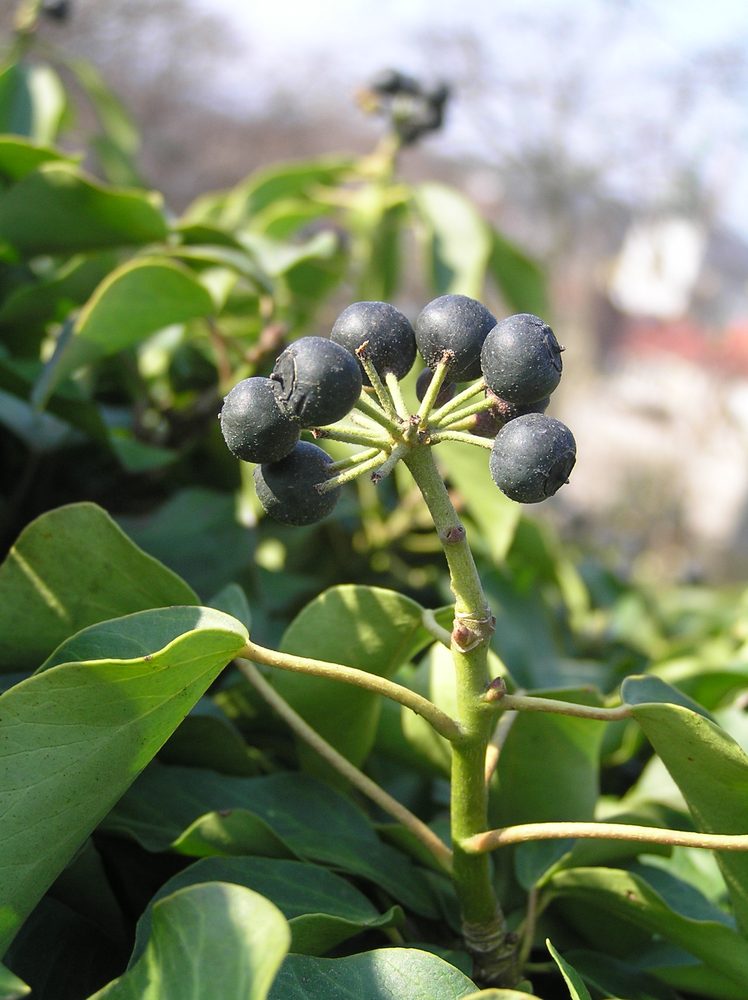
General Description
It is native to most of Europe and parts of western Asia. Ivy is a clinging evergreen vine that grows on tree trunks, walls, and fences in gardens, waste spaces, and wild habitats. Ivy is popular as an ornamental plant, but escaped plants have become naturalised outside its native range. Ivy has considerable cultural significance and symbolism. Synonyms include Hedera acuta, Hedera arborea (’tree ivy’), Hedera baccifera, and Hedera grandifolia. Other common names are bindwood and lovestone.
Family Context
The Araliaceae family is widely distributed. Notable medicinal members include:
- Chinese Ginseng — 51 documented uses
- Panax pseudoginseng — 26 documented uses
- American Ginseng — 21 documented uses
- Devil’s Walking Stick — 11 documented uses
Geographic Distribution
Ivy has been recorded in 10 countries and territories worldwide, including Austria, Belgium, Switzerland, Germany, Spain, and others.
Traditional Uses
Ivy has been traditionally used for digestive health, pain and inflammation, and reproductive health, among other applications.
Digestive health.
- Laxative
- Vermifuge
For digestive complaints, the herb is typically prepared as a tea or decoction taken before meals. The bitter compounds stimulate digestive secretions and improve nutrient absorption. Some traditions use the powdered root or leaves in small doses as a stomachic tonic.
Pain and inflammation.
- Rheumatism
- Swelling
For pain and inflammation, preparations are applied both topically as compresses and taken internally. A warm poultice draws blood to the area and promotes healing, while internal preparations address systemic inflammation.
Reproductive health.
- Emmenagogue
In traditional contexts, reproductive health applications typically involve internal preparations such as teas or decoctions. The herb may be taken at specific times during the menstrual cycle.
Active Compounds
Phytochemical research has identified 30 compounds in this species, including a diverse array of phytochemical classes (see the Complete Chemical Inventory below for the full list).
The identified compounds include the following categories:
- Flavonoid: antioxidant compounds that protect cells from oxidative damage
- Alkaloid: nitrogenous compounds with diverse pharmacological activities