Botanical Overview
Witch Hazel (Hamamelis virginiana) is a flowering plant in the Hamamelidaceae family. Traditional medicine systems have documented several valuable applications for this species, supported by its observed therapeutic effects. This species belongs to the Hamamelidaceae family, a group of flowering plants.
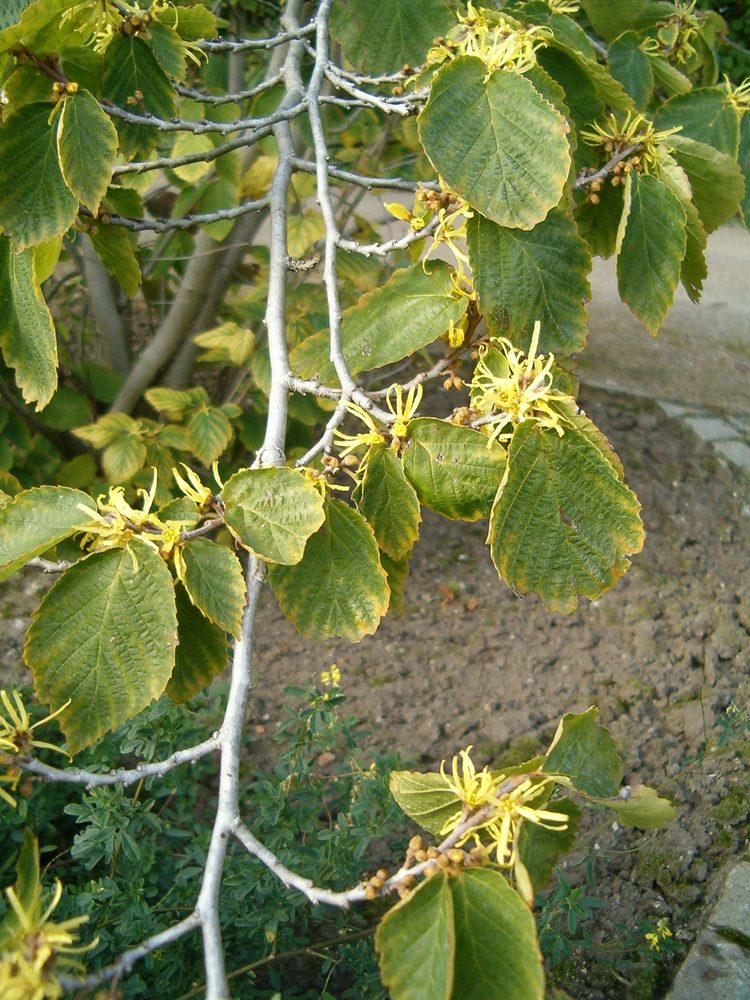
General Description
Hamamelis virginiana, known as witch-hazel, common witch-hazel, American witch-hazel and beadwood, is a species of flowering shrub native to eastern North America, from Nova Scotia west to Minnesota, and south to central Florida to eastern Texas.
Family Context
The Hamamelidaceae family is widely distributed. Notable medicinal members include:
- American Styrax — 39 documented uses
- Oriental Storax — 20 documented uses
Geographic Distribution
Witch Hazel has been recorded in 10 countries and territories worldwide, including Belgium, Canada, Germany, Estonia, France, and others.
Traditional Uses
Witch Hazel has been traditionally used for skin and wound care, pain and inflammation, and nervous system disorders, among other applications.
Skin and wound care.
- Skin
- Wound
For skin conditions, the fresh or dried plant is applied topically as a poultice, wash, or compress. A strong decoction can be used to clean wounds and sores. The antimicrobial properties help prevent infection while promoting tissue repair.
Pain and inflammation.
- Inflammation
- Anodyne
For pain and inflammation, preparations are applied both topically as compresses and taken internally. A warm poultice draws blood to the area and promotes healing, while internal preparations address systemic inflammation.
Nervous system disorders.
- Sedative
Nervous system support involves taking the herb as a warm tea, often in the evening or before bed. The calming compounds interact with neurotransmitter systems to promote relaxation and restful sleep.
Active Compounds
Phytochemical research has identified 30 compounds in this species, including a diverse array of phytochemical classes (see the Complete Chemical Inventory below for the full list).
The identified compounds include the following categories:
- Flavonoid: antioxidant compounds that protect cells from oxidative damage
- Phenolic: antioxidant compounds that neutralize free radicals
- Alkaloid: nitrogenous compounds with diverse pharmacological activities