Botanical Overview
Jiaogulan (Gynostemma pentaphyllum) is a species in the Cucurbitaceae family. The gourd family (Cucurbitaceae) includes climbing or trailing vines with tendrils, large alternate leaves, and showy yellow or white flowers that are typically unisexual. The fruits are fleshy gourds, melons, or squashes with many seeds. Many species produce cucurbitacins, bitter compounds with purgative and anti-inflammatory activity. Phytochemical data for this species are limited at present.
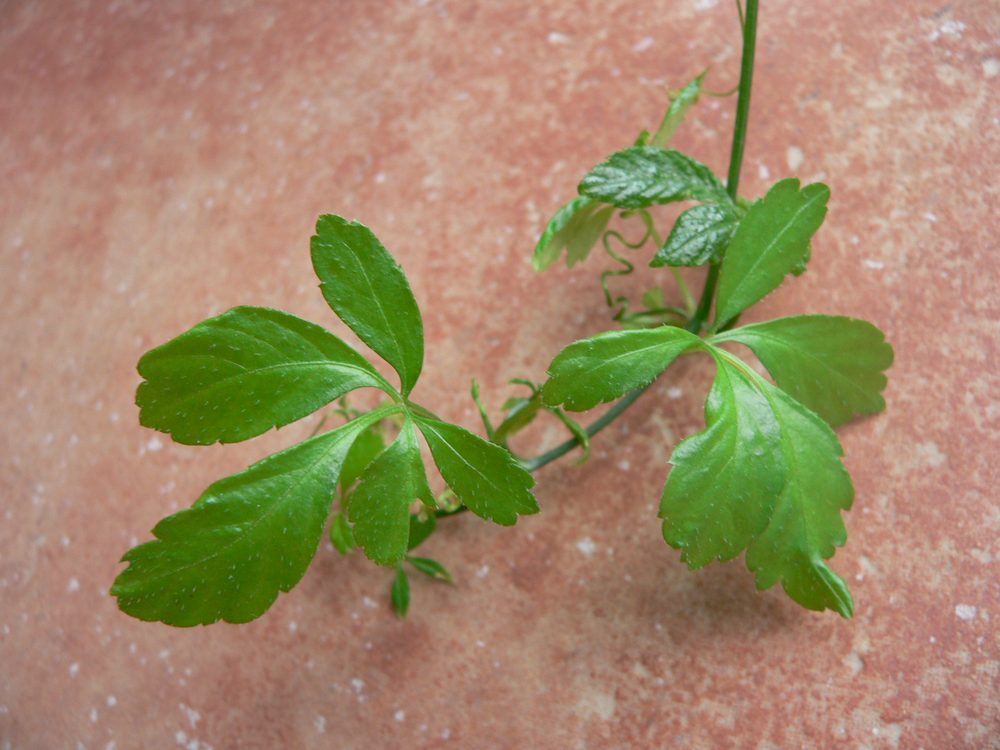
General Description
Gynostemma pentaphyllum, also called jiaogulan, is a dioecious, herbaceous climbing vine of the family Cucurbitaceae widely distributed in South and East Asia as well as New Guinea.
Family Context
The Cucurbitaceae family is widely distributed in tropical and subtropical regions. Notable medicinal members include:
- Bitter Melon — 88 documented uses
- Luffa — 41 documented uses
- Calabash Gourd — 38 documented uses
- Chinese Cucumber — 31 documented uses
Geographic Distribution
Jiaogulan has been recorded in 10 countries and territories worldwide, including China, Indonesia, India, Japan, South Korea, and others.
Active Compounds
Phytochemical research has identified 1 compound in this species: gypenoside-xxv.
The identified compounds include the following categories:
- Flavonoid: antioxidant compounds that protect cells from oxidative damage
Research Status
Although this species has documented phytochemical constituents, its ethnobotanical and clinical documentation remains incomplete. Additional phytochemical investigation could identify novel bioactive compounds in this plant.