Botanical Overview
Grewia asiatica belongs to the Tiliaceae family. Limited but reliable traditional records indicate this plant has recognized medicinal applications in one or more healing traditions. This species belongs to the Tiliaceae family, a group of flowering plants.
General Description
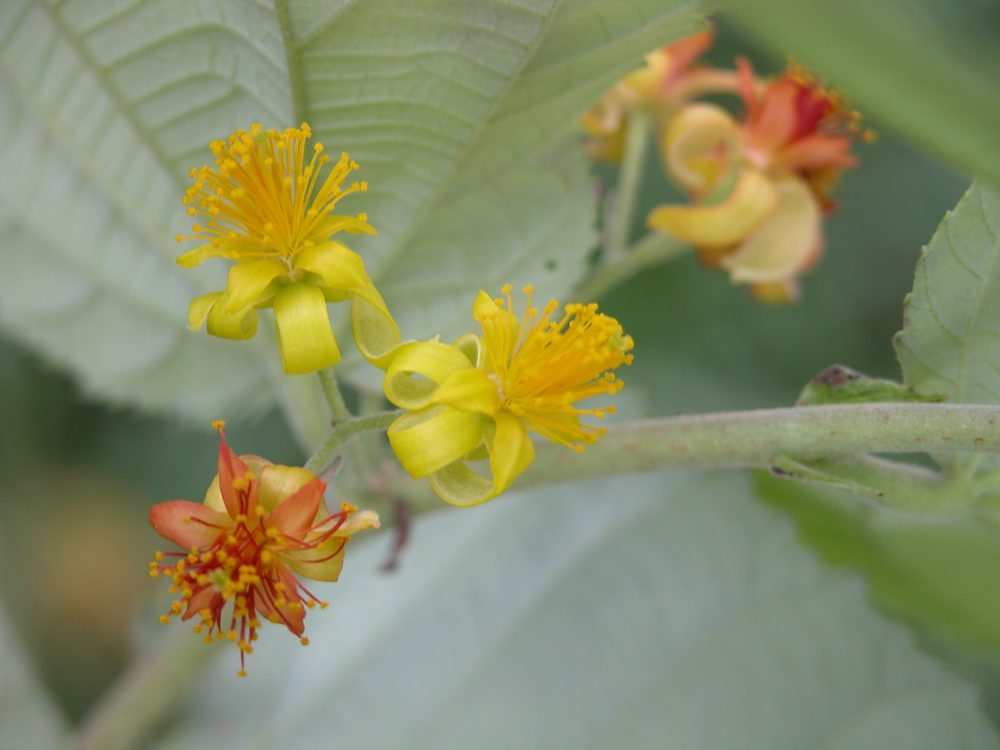
Grewia celtidifolia was initially considered a mere variety of phalsa, but is now recognized as a distinct species. It is a shrub or small tree growing to 8 m tall. The leaves are broadly rounded, 5–18 cm long and broad, with a petiole 1–1. 5 cm long. The flowers are produced in cymes of several together, the individual flowers about 2 cm diameter, yellow, with five large (12 mm) sepals and five smaller (4–5 mm) petals. The fruit is an edible drupe 5–12 mm diameter, purple to black when ripe.
Family Context
The Tiliaceae family is widely distributed. Notable medicinal members include:
- Jew’s Mallow — 10 documented uses
- Cereso — 5 documented uses
- Grewia tenax — 3 documented uses
Geographic Distribution
Grewia asiatica has been recorded in 10 countries and territories worldwide, including Australia, Brazil, India, Mauritius, Nepal, and others.
Traditional Uses
Grewia asiatica has been traditionally used for digestive health, skin and wound care, and pain and inflammation, among other applications.
Digestive health.
- Stomachic
For digestive complaints, the herb is typically prepared as a tea or decoction taken before meals. The bitter compounds stimulate digestive secretions and improve nutrient absorption. Some traditions use the powdered root or leaves in small doses as a stomachic tonic.
Skin and wound care.
- Eruption
For skin conditions, the fresh or dried plant is applied topically as a poultice, wash, or compress. A strong decoction can be used to clean wounds and sores. The antimicrobial properties help prevent infection while promoting tissue repair.
Pain and inflammation.
- Rheumatism
For pain and inflammation, preparations are applied both topically as compresses and taken internally. A warm poultice draws blood to the area and promotes healing, while internal preparations address systemic inflammation.
Active Compounds
Phytochemical research has identified 1 compound in this species: betulin.