Botanical Overview
Alehoof (Glechoma hederacea) is a flowering plant in the Lamiaceae family. Traditional medicine systems have documented several valuable applications for this species, supported by its observed therapeutic effects. The mint family (Lamiaceae) includes aromatic herbs and shrubs with square stems, opposite leaves, and two-lipped flowers. Many species produce essential oils in glandular trichomes on their leaves and stems. This family is one of the most important sources of culinary and medicinal herbs worldwide.
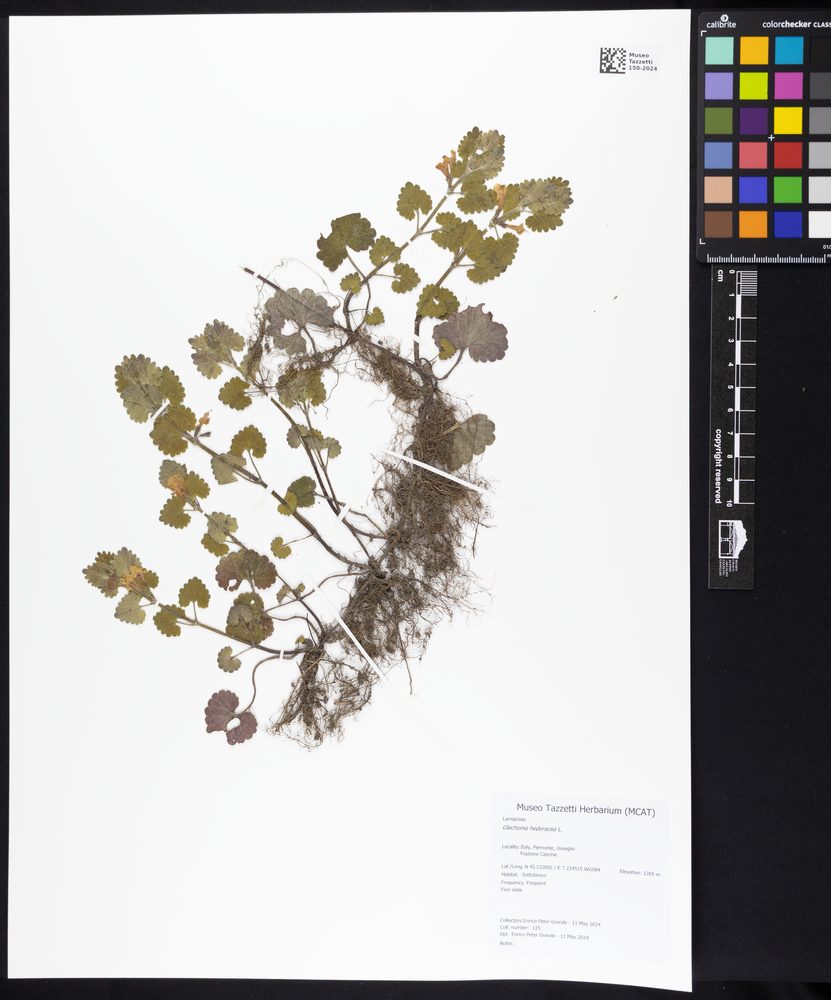
General Description
It is commonly known as ground-ivy, gill-over-the-ground, creeping charlie, alehoof, tunhoof, catsfoot, field balm, and run-away-robin. It is also sometimes known as creeping jenny, but that name more commonly refers to Lysimachia nummularia. It is used as a salad green in many countries. European settlers carried it around the world, and it has become a well-established introduced and naturalized plant in a wide variety of localities. It is also considered an aggressive invasive weed of woodlands and lawns in some parts of North America. In the absence of any biological control research conducted by the USDA, herbicides are relied upon (despite their drawbacks) particularly for woodland ecosystems. The plant’s extensive root system makes it difficult to eradicate by hand-pulling.
Family Context
The Lamiaceae family is large and widely distributed. Notable medicinal members include:
- Basil — 86 documented uses
- Rosemary — 60 documented uses
- Agbo — 54 documented uses
- Sage — 49 documented uses
Geographic Distribution
Alehoof has been recorded in 10 countries and territories worldwide, including Belgium, Switzerland, Germany, Denmark, France, and others.
Traditional Uses
Alehoof has been traditionally used for respiratory conditions, skin and wound care, and urinary tract health, among other applications.
Respiratory conditions.
- Cough
- Pectoral
- Cold
Respiratory conditions are addressed through steam inhalation of the herb’s vapors or internal use as a warm tea. The hot infusion acts as an expectorant, helping to loosen phlegm and clear congestion. Some traditions combine it with honey for coughs.
Skin and wound care.
- Sore
- Abscess
For skin conditions, the fresh or dried plant is applied topically as a poultice, wash, or compress. A strong decoction can be used to clean wounds and sores. The antimicrobial properties help prevent infection while promoting tissue repair.
Urinary tract health.
- Diuretic
Urinary tract applications typically involve drinking the herb as a mild tea, which increases urine production and helps flush the urinary system. It may be combined with other demulcent herbs to soothe irritated tissues.
Active Compounds
Phytochemical research has identified 30 compounds in this species, including a diverse array of phytochemical classes (see the Complete Chemical Inventory below for the full list).
The identified compounds include the following categories:
- Flavonoid: antioxidant compounds that protect cells from oxidative damage
- Alkaloid: nitrogenous compounds with diverse pharmacological activities