Botanical Overview
Cranesbill (Geranium maculatum) is a flowering plant in the Geraniaceae family. This plant has earned a place in traditional medicine through its consistent therapeutic benefits, recorded across multiple cultures. This species belongs to the Geraniaceae family, a group of flowering plants.
General Description
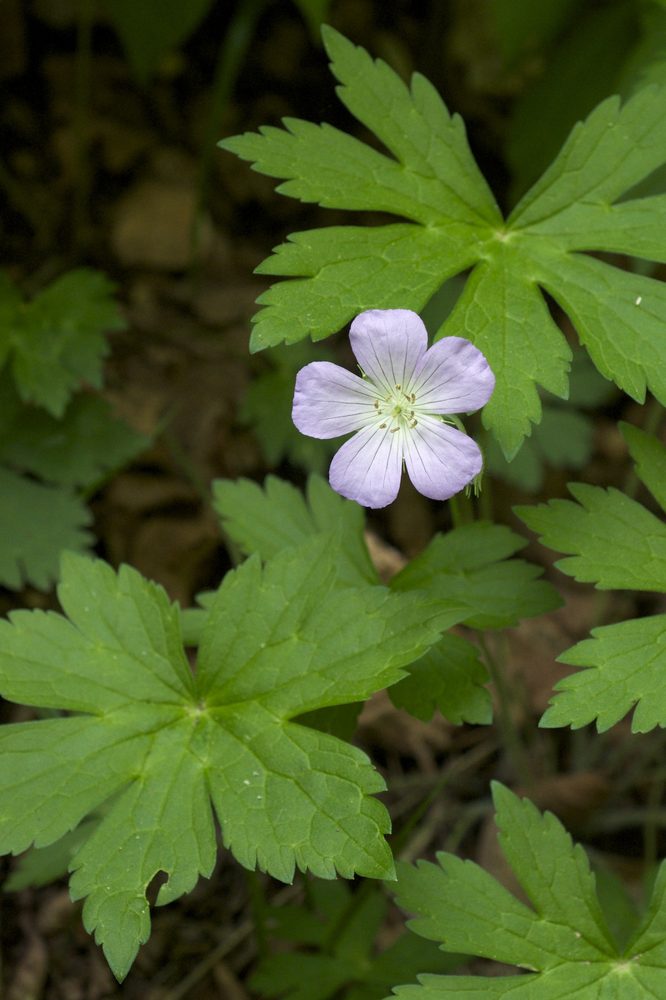
Geranium maculatum, the wild geranium, spotted geranium, or wood geranium, is a perennial plant native to woodlands in eastern North America, from southern Manitoba and southwestern Quebec south to Alabama and Georgia and west to Oklahoma and South Dakota.
Family Context
The Geraniaceae family is widely distributed. Notable medicinal members include:
- Gennoshiouko — 2 documented uses
Traditional Uses
Cranesbill has been traditionally used for digestive health, skin and wound care, and urinary tract health, among other applications.
Digestive health.
- Diarrhea
- Dysentery
For digestive complaints, the herb is typically prepared as a tea or decoction taken before meals. The bitter compounds stimulate digestive secretions and improve nutrient absorption. Some traditions use the powdered root or leaves in small doses as a stomachic tonic.
Skin and wound care.
- Wound
For skin conditions, the fresh or dried plant is applied topically as a poultice, wash, or compress. A strong decoction can be used to clean wounds and sores. The antimicrobial properties help prevent infection while promoting tissue repair.
Urinary tract health.
- Diuretic
Urinary tract applications typically involve drinking the herb as a mild tea, which increases urine production and helps flush the urinary system. It may be combined with other demulcent herbs to soothe irritated tissues.
Active Compounds
Phytochemical research has identified 5 compounds in this species, including a diverse array of phytochemical classes (see the Complete Chemical Inventory below for the full list).
The identified compounds include the following categories:
- Tannin: astringent compounds that tighten tissues and resist infection