Botanical Overview
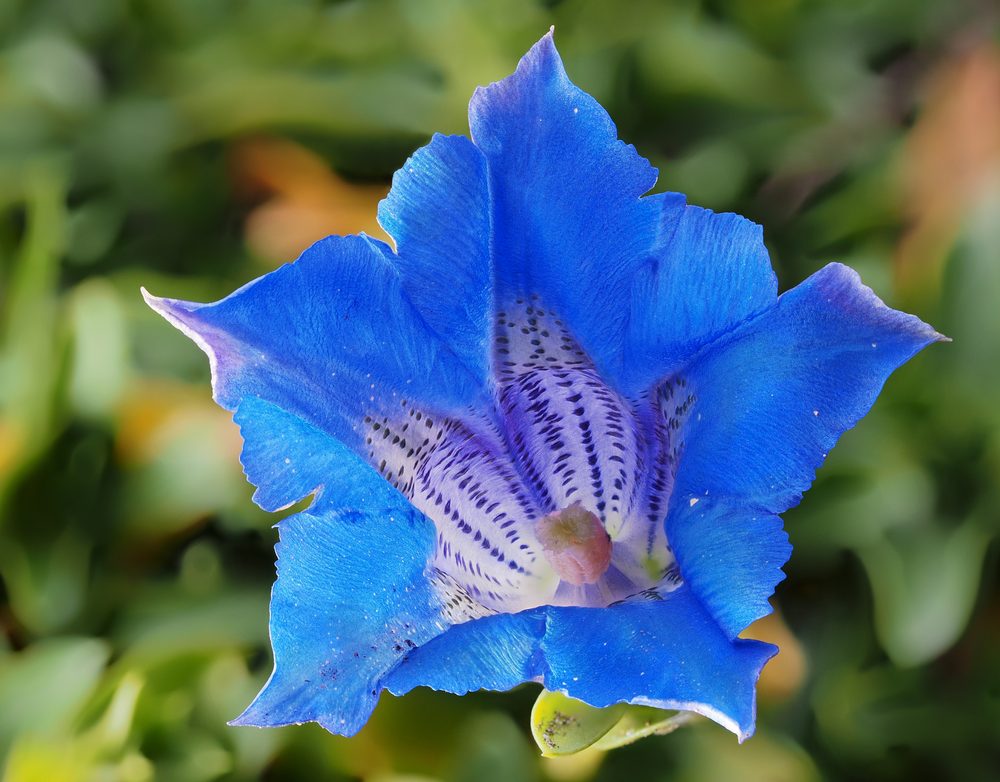
Stemless Gentian (Gentiana acaulis) is a species in the Gentianaceae family. This species belongs to the Gentianaceae family, a group of flowering plants. Phytochemical data for this species are limited at present.
General Description
Gentiana acaulis, the stemless gentian, or trumpet gentian, is a species of flowering plant in the family Gentianaceae, native to central and southern Europe, from Spain east to the Balkans, growing especially in mountainous regions, such as the Alps and Pyrenees, at heights of 800–3,000 m (2,625–9,843 ft).
Family Context
The Gentianaceae family is widely distributed. Notable medicinal members include:
- Japanese Gentian — 35 documented uses
- Chirata — 19 documented uses
- Yellow Gentian — 7 documented uses
Geographic Distribution
Stemless Gentian has been recorded in 10 countries and territories worldwide, including Andorra, Austria, Switzerland, Germany, Spain, and others.
Active Compounds
Phytochemical research has identified 4 compounds in this species, including a diverse array of phytochemical classes (see the Complete Chemical Inventory below for the full list).
The identified compounds include the following categories:
- Flavonoid: antioxidant compounds that protect cells from oxidative damage
Research Status
Although this species has documented phytochemical constituents, its ethnobotanical and clinical documentation remains incomplete. Systematic pharmacological studies are needed to validate the traditional uses attributed to this species.