Botanical Overview
Snowdrop (Galanthus nivalis) belongs to the Liliaceae family. While not among the most extensively documented medicinal plants, this species has recorded uses that warrant attention from researchers and practitioners. The lily family (Liliaceae) includes bulbous herbs with erect stems, alternate leaves, and showy six-parted flowers with prominent stamens. The underground bulbs serve as storage organs rich in carbohydrates. Many species contain steroidal saponins and alkaloids with medicinal properties.
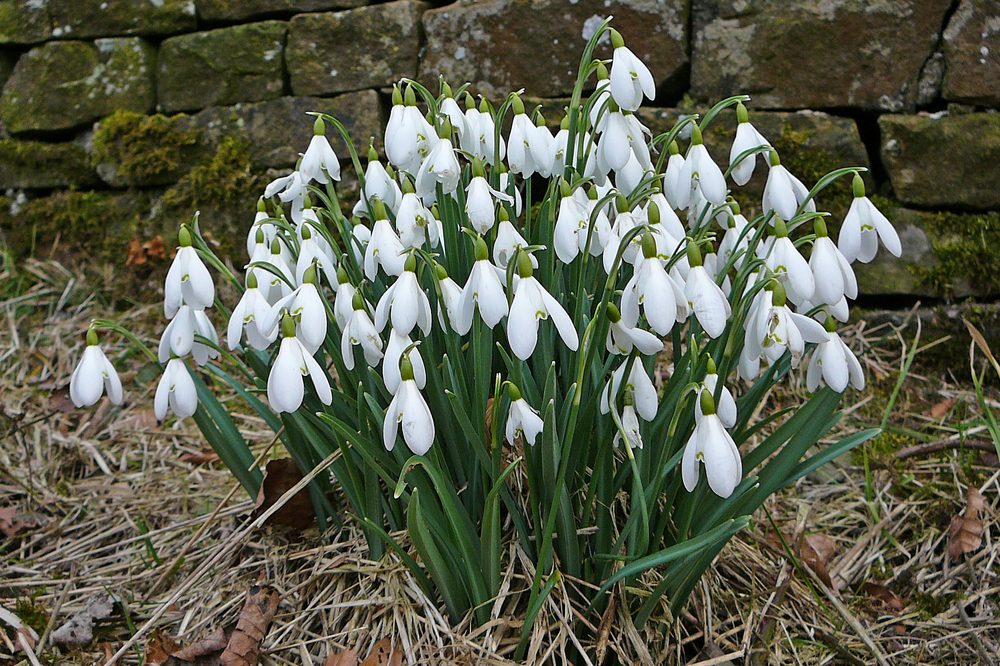
General Description
Snowdrops are among the first bulbs to bloom in spring and can form impressive carpets of white in areas where they are native or have been naturalised. They should not be confused with the snowflakes, in the genera Leucojum and Acis.
Family Context
The Liliaceae family is widely distributed in temperate regions. Notable medicinal members include:
- Onion — 72 documented uses
- American Hellebore — 52 documented uses
- Glory Lily — 36 documented uses
- Asparagus — 31 documented uses
Geographic Distribution
Snowdrop has been recorded in 10 countries and territories worldwide, including Austria, Belgium, Switzerland, Germany, Denmark, and others.
Traditional Uses
Snowdrop has been traditionally used for reproductive health.
Reproductive health.
- Emmenagogue
In traditional contexts, reproductive health applications typically involve internal preparations such as teas or decoctions. The herb may be taken at specific times during the menstrual cycle.
Active Compounds
Phytochemical research has identified 2 compounds in this species: galanthamine, narwedine.
The identified compounds include the following categories:
- Alkaloid: nitrogenous compounds with diverse pharmacological activities