Botanical Overview
Fraxinus americana belongs to the Oleaceae family. While not among the most extensively documented medicinal plants, this species has recorded uses that warrant attention from researchers and practitioners. The olive family (Oleaceae) includes trees and shrubs with opposite leaves and small, four-petaled flowers that are often fragrant. The fruits are drupes, capsules, or samaras. This family includes olive, ash, jasmine, and lilac, many with medicinal and aromatic uses.
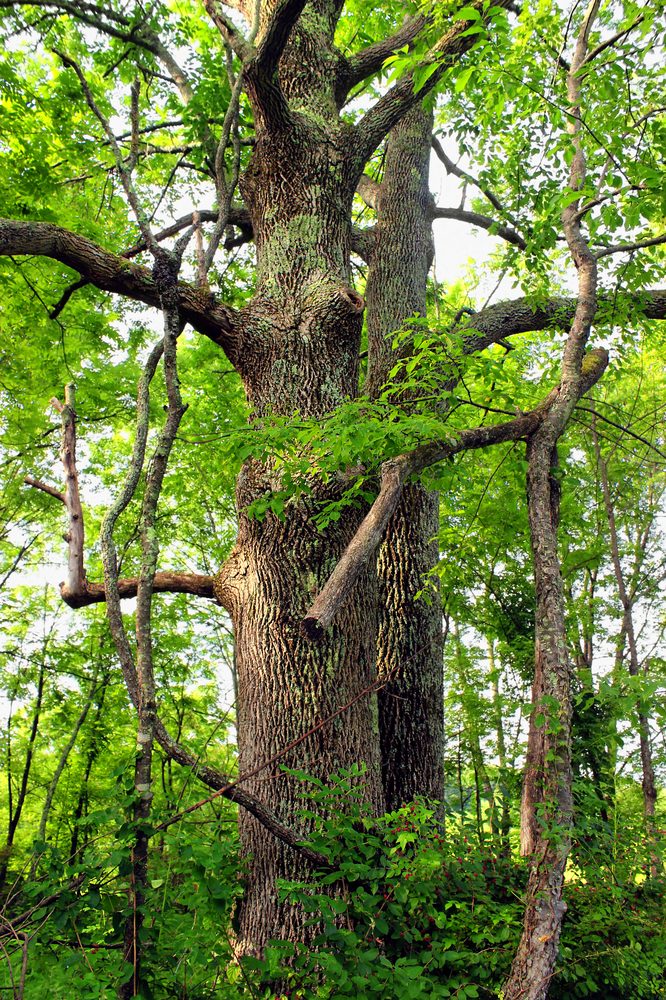
General Description
The tree is highly valued as lumber. The white ash population in North America is being devastated by the invasive emerald ash borer, which has already killed hundreds of millions of them as it spreads, starting in during the 1990s. Billions more are expected to die by 2050. Surviving white ashes are often much younger, with the oldest and tallest white ashes largely becoming dead trees due to the emerald ash borer.
Family Context
The Oleaceae family is widely distributed. Notable medicinal members include:
- Lian-Jiao — 43 documented uses
- Jasmine — 29 documented uses
- Jasminum sambac — 27 documented uses
- Chinese Privet — 25 documented uses
Geographic Distribution
Fraxinus americana has been recorded in 10 countries and territories worldwide, including Canada, China, Germany, France, United Kingdom, and others.
Traditional Uses
Fraxinus americana has been traditionally used for skin and wound care, urinary tract health, and reproductive health, among other applications.
Skin and wound care.
- Sore
For skin conditions, the fresh or dried plant is applied topically as a poultice, wash, or compress. A strong decoction can be used to clean wounds and sores. The antimicrobial properties help prevent infection while promoting tissue repair.
Urinary tract health.
- Diuretic
Urinary tract applications typically involve drinking the herb as a mild tea, which increases urine production and helps flush the urinary system. It may be combined with other demulcent herbs to soothe irritated tissues.
Reproductive health.
- Aphrodisiac
In traditional contexts, reproductive health applications typically involve internal preparations such as teas or decoctions. The herb may be taken at specific times during the menstrual cycle.
Active Compounds
Phytochemical research has identified 1 compound in this species: betulin.